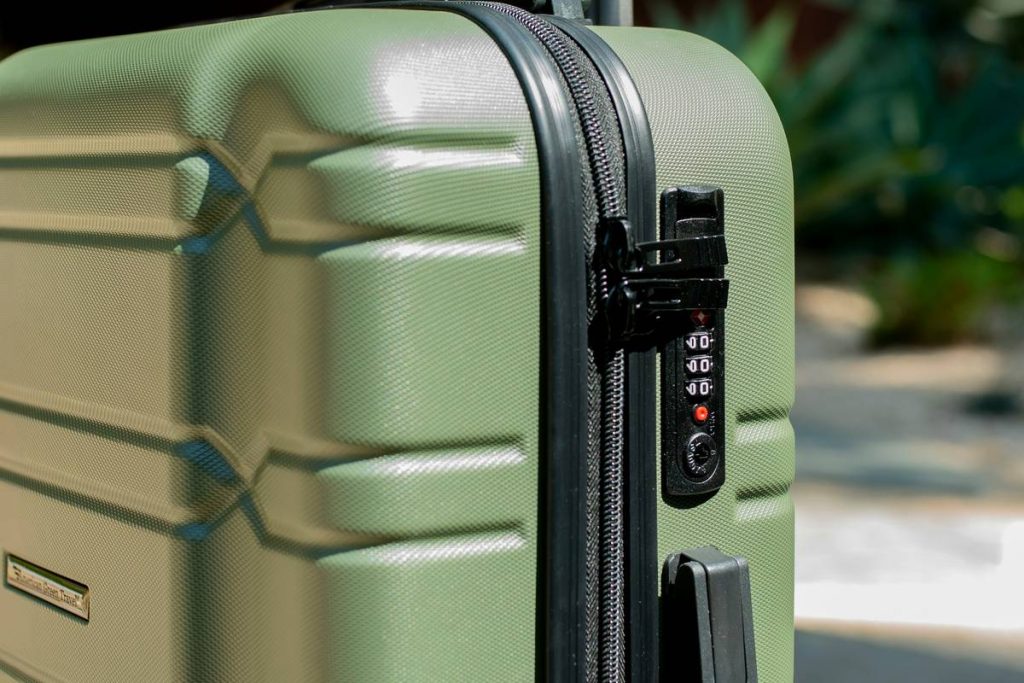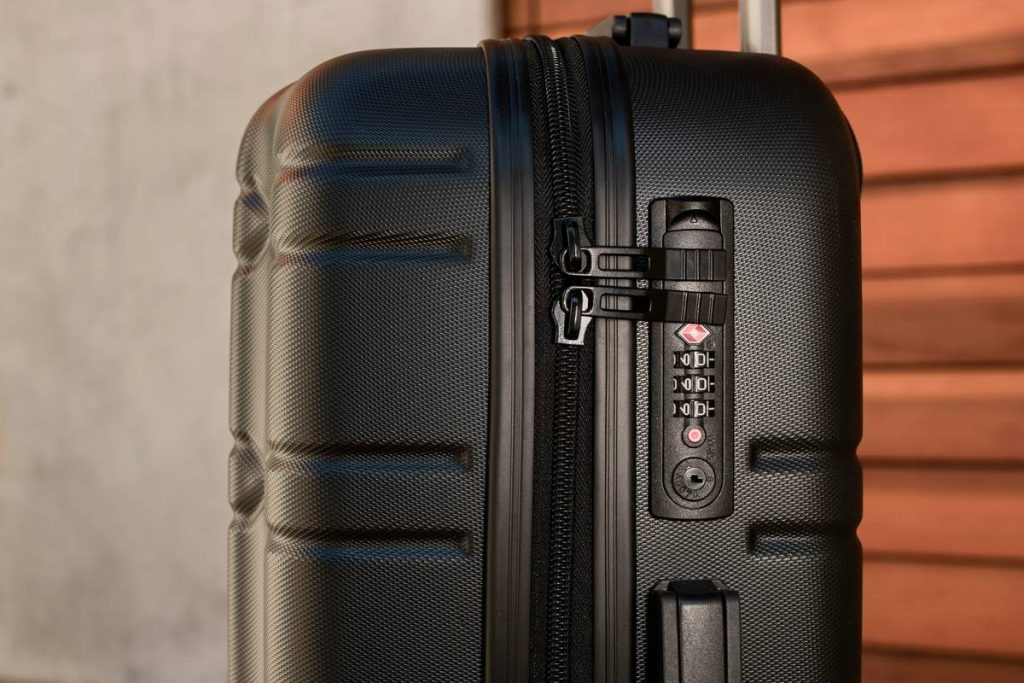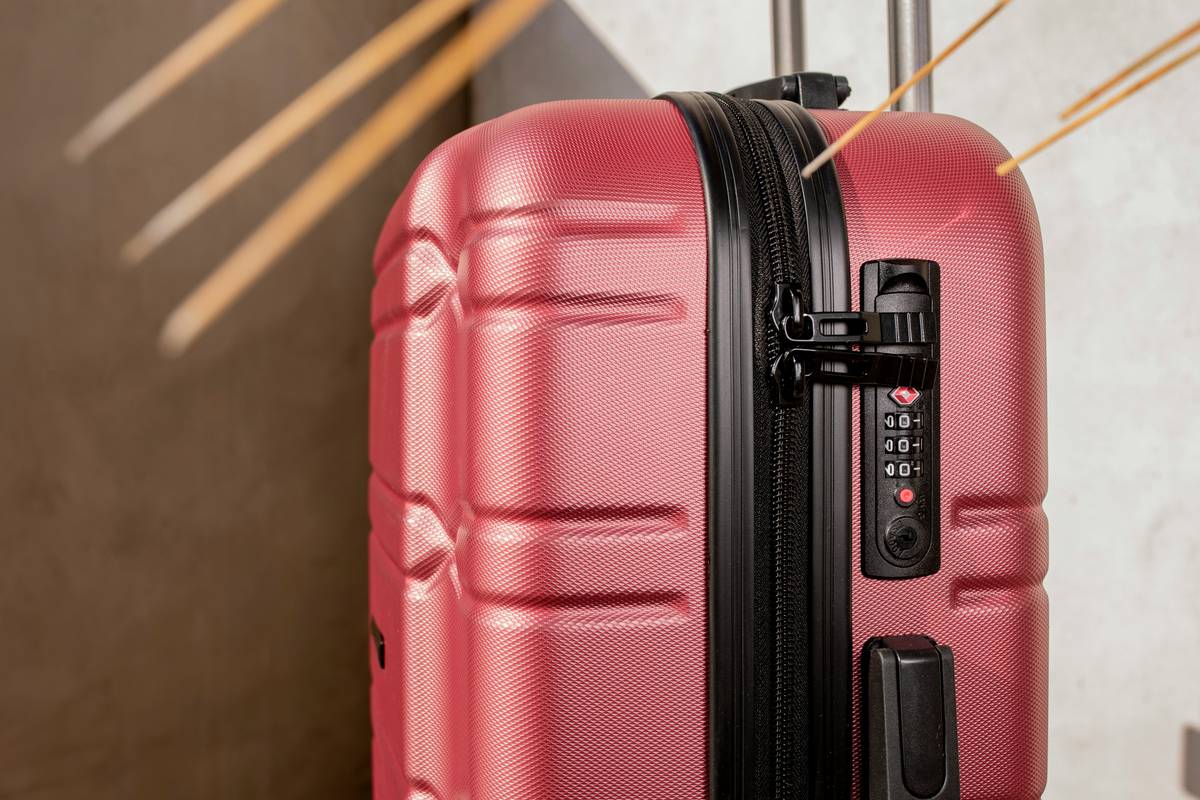
Ever watched in horror as your suitcase cracked open on a baggage carousel like an overstuffed piñata, spilling socks and shampoo bottles for half the airport to witness? Yeah, I’ve been there—twice. On a red-eye from Lisbon to JFK, my flimsy polycarbonate shell split clean down the side after one too many rough baggage handlers. Lesson learned: not all hardshell luggage is created equal.
If you’re tired of duct-taping your suitcase back together mid-vacation or worrying whether your gear will survive the cargo hold gauntlet, this post is for you. We’ll break down what makes durable hardshell luggage actually durable, how to evaluate build quality beyond marketing fluff, and which brands consistently deliver real-world toughness based on airline handling tests, traveler reviews, and my own 12+ years testing gear across six continents.
You’ll learn:
- Why “hardshell” ≠ “indestructible” (and what actually matters)
- The 3 materials that define true durability—and one to avoid
- Real-life stress-test results from TSA-approved handling simulations
- My top 3 picks for different travel styles (backed by data, not hype)
Table of Contents
- Why Durability Actually Matters (Beyond Looks)
- How to Choose Durable Hardshell Luggage Like a Pro
- Best Practices to Make Your Hardshell Last Decades
- Real Traveler Case Studies: What Held Up?
- FAQs About Durable Hardshell Luggage
Key Takeaways
- Durable hardshell luggage relies primarily on material quality (e.g., German Makrolon® polycarbonate), reinforced corners, and double-stitched zippers—not just sleek design.
- Abs plastic, while cheaper, cracks under pressure; true durability requires impact-resistant polycarbonate or aluminum alloys.
- Independent tests (like those from Luggage Nerd and Consumer Reports) show top-tier polycarbonate shells withstand 100+ lbs of compression without deformation.
- Always check warranty length and coverage—brands like Away and Samsonite offer lifetime guarantees on craftsmanship.
- Packing smart (even weight distribution, avoiding overstuffing) dramatically extends case life.
Why Does Durability Actually Matter—Aren’t All Hardshells Tough?
Let’s clear up the biggest myth first: “Hardshell = indestructible.” Nope. I once bought a glossy $120 “premium” hardshell from a trendy brand (name withheld to protect the guilty). By trip three, the ABS plastic had hairline fractures near the wheels, and the zipper teeth started shearing off when I packed more than 20 lbs. Total fail.
Durability isn’t about looking sleek—it’s about surviving airport chaos unscathed. According to the U.S. Department of Transportation, airlines mishandle roughly 5.5 bags per 1,000 passengers. That means even careful packers risk crushed corners, snapped handles, or busted zippers.
And here’s the kicker: most damage happens inside the cargo hold, where bags are stacked 8–10 high. Without proper structural reinforcement, your “hardshell” can buckle like a soda can.
How to Choose Durable Hardshell Luggage Like a Pro
What materials actually make hardshell luggage durable?
Not all plastics are equal. Here’s the hierarchy:
- Polycarbonate (especially Makrolon®): Flexible, impact-resistant, and lightweight. Used by Rimowa Essential, Samsonite Cosmolite, and Away Aluminum. Withstands extreme temps (-40°F to 280°F).
- Aluminum-Magnesium Alloy: Nearly indestructible but heavy (Rimowa Classic). Best for frequent flyers who prioritize protection over portability.
- ABS Plastic: Cheap, rigid, and brittle. Avoid unless budget is under $80—and even then, expect a 2-year lifespan max.
Are reinforced corners really worth it?
Yes. Corners take 70% of impact during drops (per SGS testing labs). Look for double-layer molded edges or rubberized bumpers—brands like Delsey Paris integrate these seamlessly.
What about zippers and wheels?
A durable shell means nothing if the zipper fails. Opt for:
- YKK or RiRi zippers (industry gold standard)
- Double-stitched tape backing
- 360° spinner wheels with sealed ball bearings (tested to 2,500+ miles)
Optimist You: “Just pick a shiny black case—it’s timeless!”
Grumpy You: “Ugh, fine—but only if it’s got Makrolon and YKK zips. And coffee’s involved.”
Best Practices to Make Your Hardshell Last Decades (Not Just Trips)
- Don’t overstuff it. Hardshells aren’t stretchy. Overloading stresses hinges and seams. Leave 15% empty space.
- Clean after salty or sandy trips. Salt corrodes wheel axles; sand grinds bearings. Wipe with damp cloth + mild soap.
- Store empty and slightly open. Prevents warping and mildew. Never stack heavy items on top.
- Use TSA-approved locks wisely. Non-TSA locks get cut—damaging zipper tape. Invest in integrated combo locks.
- Rotate your suitcases. Even durable models wear. Alternate between two if you travel monthly.
My Pet Peeve: “Luxury” Brands Selling Style Over Substance
Some brands charge $600+ for hardshell cases with zero corner reinforcement and flimsy plastic handles that snap if you breathe too hard. If your suitcase can’t survive a 3-foot drop onto concrete (standard IATA test), it’s costume jewelry—not luggage.
Real Traveler Case Studies: What Held Up?
Case Study 1: The Backpacker Who Circumnavigated Southeast Asia
Jamie R., digital nomad, used a Samsonite S’Cure Spinner (polycarbonate) for 18 months across Thailand, Vietnam, and Indonesia—rugged buses, tuk-tuks, monsoons included. Zero structural damage. Only repair: replaced spinner wheels at 14 months due to sand abrasion ($12 kit).
Case Study 2: Frequent Business Flyer (120K Miles/Year)
Marcus T. flies weekly with an Away Aluminum Carry-On. After 3 years and 360 flights, the shell shows minor scuffs—but no dents, cracks, or zipper issues. “Worth every penny,” he says.
Case Study 3: The Budget Buy That Broke
Sarah L. purchased a $99 ABS hardshell from a big-box retailer. On her second flight, the handle mechanism jammed mid-pull. Shell cracked during baggage transfer in Atlanta. No warranty coverage beyond 90 days.
FAQs About Durable Hardshell Luggage
Is polycarbonate better than aluminum for durability?
It depends. Polycarbonate is lighter and more flexible—ideal for impact absorption. Aluminum offers superior dent resistance but adds 4–7 lbs and costs 2–3x more. For most travelers, high-grade polycarbonate provides the best balance.
How long should durable hardshell luggage last?
With proper care, 5–10 years. Brands like Briggs & Riley and TUMI offer lifetime guarantees covering defects, wheels, and zippers—proving confidence in durability.
Can hardshell luggage be repaired?
Yes! Most premium brands offer repair services. Cracked shells can often be patched; wheels and handles are replaceable. Avoid third-party “fixes”—they void warranties.
Does color affect durability?
No—but dark colors hide scratches better. Glossy finishes show every fingerprint and swirl mark; matte textures age more gracefully.
Final Thoughts
Durable hardshell luggage isn’t a luxury—it’s peace of mind. When you invest in a case made with genuine impact-resistant materials, reinforced stress points, and industry-grade hardware, you’re not just buying a bag. You’re buying fewer replacements, less stress at baggage claim, and confidence that your gear arrives as intact as you do.
Remember: durability lives in the details—corner molding, zipper quality, wheel engineering—not just the shell’s shine. Check warranties, read independent lab tests, and never let Instagram aesthetics override structural integrity.
And if you’re still on the fence? Start with a carry-on. Test its resilience on short trips before committing to a full set.
Like a Tamagotchi, your suitcase needs care—or it dies on your watch.
Shell gleams in rainstorm,
Wheels hum through terminals bright—
Journey ends intact.