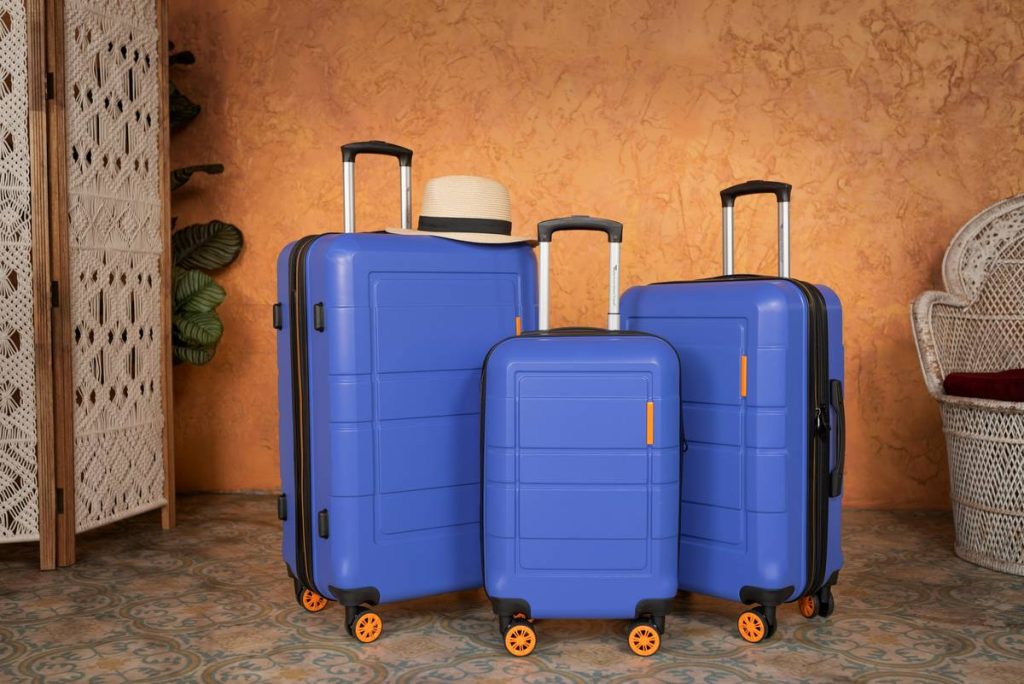
You bought a jetsetter hard case bag for protection, not problems. Yet here you are—struggling with jammed zippers at security, cracking shells on carousel spins, or worse, watching your designer luggage get tossed like cargo. The promise of armor crumbles fast when the build can’t handle real-world chaos. Here’s how to choose—and use—a suitcase that actually shields your stuff without adding stress.
The Myth of Indestructibility: Why Most Hard-Shell Cases Fail You
Hardshell suitcases market themselves as bulletproof vaults. Reality? Many use brittle polycarbonate blends that shatter under pressure—not from drops, but from compression in overpacked holds. And those sleek exteriors? They scratch faster than a cat on cardboard. Worse, poor wheel alignment (a shockingly common factory flaw) turns smooth roll into a wobble nightmare by day two. You’re paying premium prices for aesthetics, not engineering.
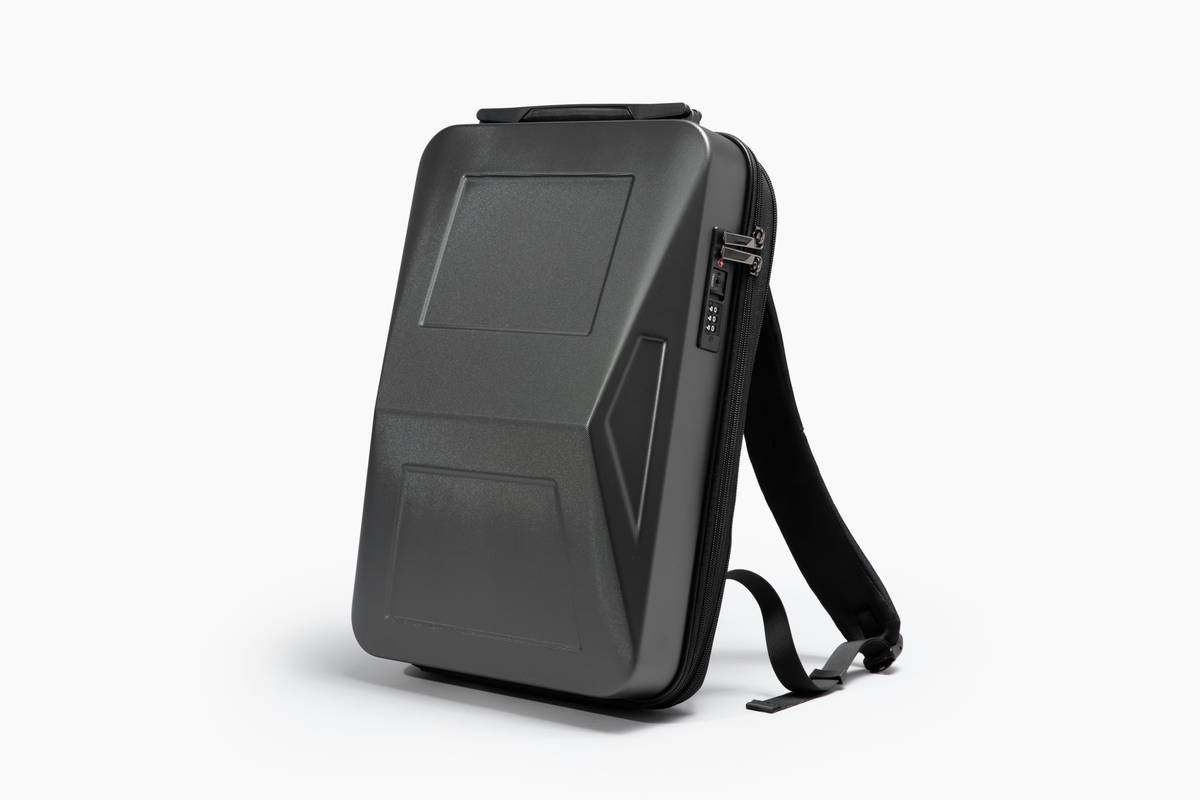
How to Pick and Pack a Jetsetter Hard Case Bag That Actually Survives
Step 1: Decode the Shell Material
Not all “polycarbonate” is equal. Look for co-injected layers—flexible inner cores bonded to rigid outer shells. This combo absorbs impact instead of snapping. Avoid ABS-only cases; they’re light but crack like cheap plastic toys.
Step 2: Test the Hinges Like a TSA Agent
Squeeze the case shut without latching it. If the gap widens more than 2mm, hinges lack torsion resistance. On your next trip, that gap becomes a split seam mid-flight.
Step 3: Wheel Geometry Matters More Than You Think
Dual-spinner wheels should rotate 360° silently. But check axle depth—shallow mounts break under torque. Push the bag sideways hard. If it tips or resists, skip it.
| Feature | Budget (<$150) | Mid-Tier ($150–$300) | Premium (>$300) |
|---|---|---|---|
| Shell Integrity | ABS (prone to cracking) | Polycarbonate blend (moderate flex) | Co-injected multi-layer (impact-dissipating) |
| Wheel Durability | Plastic axles, rubber treads wear fast | Nylon-reinforced hubs, PU tires | Aircraft-grade aluminum axles, self-cleaning bearings |
| Zipper/TSA Lock | Basic zipper, flimsy slider | Double-stitched tracks, integrated TSA lock | Metal-tooth zippers with anti-jam channels |
The Industry Secret Airlines Don’t Want You to Know
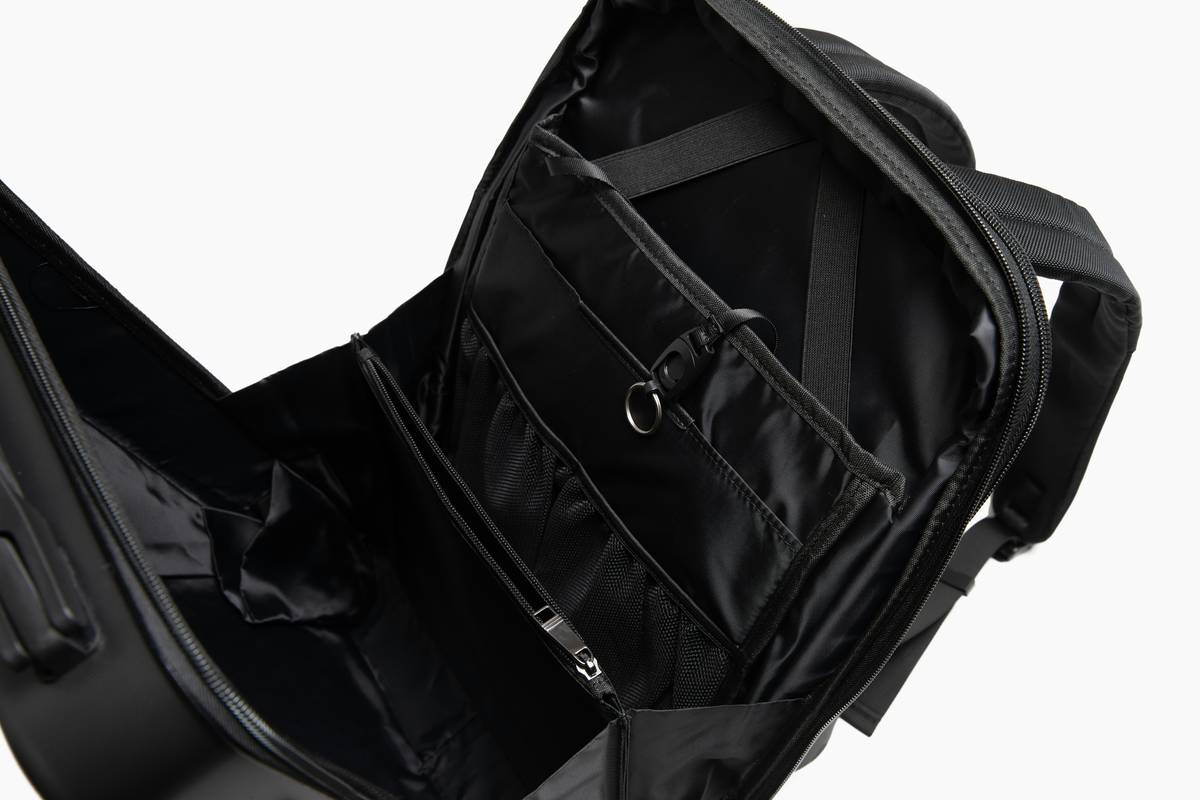
Here’s what baggage handlers won’t tell you: they stack soft bags on top and hardshell cases underneath—because hard shells bear weight better. But! If your case lacks internal frame reinforcement, that “armor” buckles under 300 pounds of stacked luggage. Premium brands embed lightweight aluminum frames inside the shell—like a skeleton. Without it, you’re just carrying a fragile eggshell. Ask for frame specs before buying. Few disclose this voluntarily.
Frequently Asked Questions
Are hard case suitcases waterproof?
No. Most have micro-gaps around zippers and seams. Water-resistant, yes—if sealed properly. Fully waterproof? Only if ultrasonically welded (rare in consumer bags).
Do airlines prefer hard or soft luggage?
They don’t care—but handlers do. Hard shells resist punctures from cargo hooks. However, oversized hard cases jam conveyor belts more often, causing delays.
How long should a jetsetter hard case bag last?
With proper care: 5–7 years. The weak points? Wheels and handles. Replaceable components extend life significantly. Always check warranty terms for modular parts.