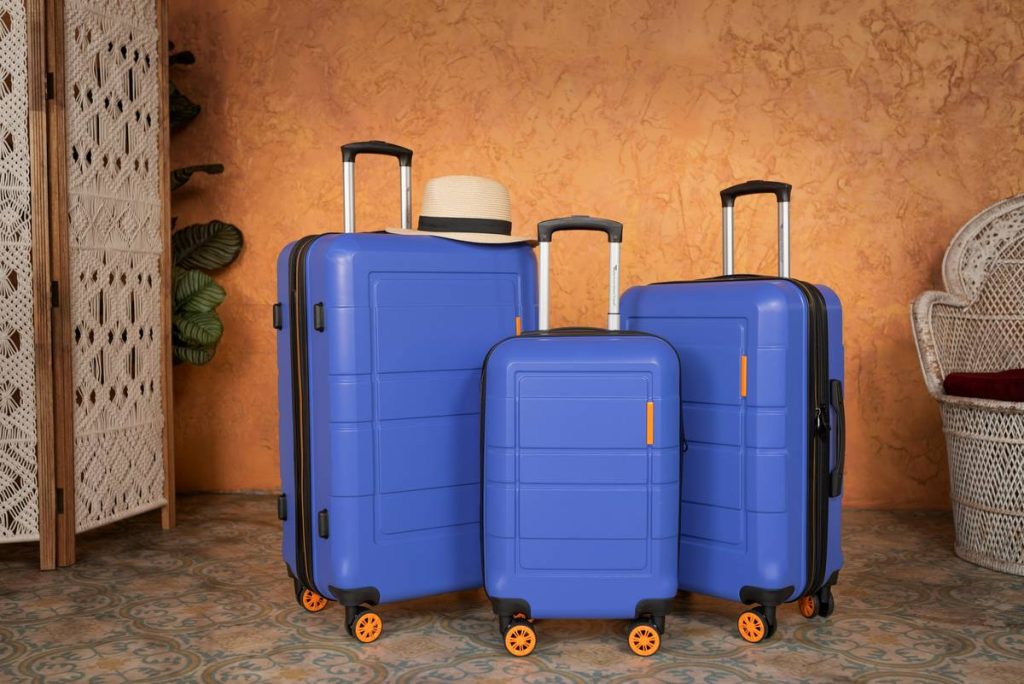
You packed light. You followed every “expert” tip. Then—bam—your suitcase exploded on the baggage carousel, spilling socks like confetti. Airlines don’t care about your itinerary. Tarmac handlers treat luggage like rugby balls. And soft-sided bags? They’re tissue paper in a hurricane. Enter the hard travel armor bag: not just luggage, but survival gear for the modern jetsetter.
The Fragile Illusion of “Durable” Luggage
Most travelers assume polycarbonate = indestructible. It’s not. Thin-shell hard cases crack under pressure—literally. Drop them from 3 feet onto concrete (a common baggage drop height), and microfractures form. Water seeps in. Zippers fail. Wheels snap off by trip three.
And those “airline-approved” weight limits? They’re a moving target. One carrier’s “max” is another’s “excess fee.” Soft bags stretch. Hard shells hold shape—but only if engineered right.
How to Choose a Hard Travel Armor Bag That Actually Works
Forget what influencers unbox. Real-world durability hinges on three non-negotiables: shell composition, corner reinforcement, and wheel geometry. Here’s how to decode the specs without getting scammed.
Shell Material: Polycarbonate vs. ABS vs. Hybrid
Pure polycarbonate flexes without breaking—ideal for checked baggage. ABS is cheaper but brittle below 40°F. Hybrids (like Curv®) offer military-grade impact resistance but cost 2–3× more. For most travelers? Go 100% virgin polycarbonate. Recycled blends cut corners—and your case’s lifespan.
Corners Are Your Weak Point
90% of suitcase damage happens at corners. Yet most brands skimp here. Look for triple-layered corner guards molded into the shell—not glued-on plastic bumpers that peel off after one rough transfer.
Wheels That Roll Sideways (Literally)
Dual-spinner wheels wear out fast on cobblestones or airport tarmacs. Dual-caster + dual-spinner hybrids (four wheels total, two locking) handle uneven terrain better. Bonus: recessed wheel housings prevent snapping during pile-ups.
| Feature | Budget Hardshell ($80–$150) | Premium Hard Travel Armor Bag ($250–$450) |
|---|---|---|
| Shell Thickness | 0.8–1.0 mm | 1.5–2.2 mm (impact-tested) |
| Corner Protection | Plastic caps (adhesive-mounted) | Molded-in composite ribs |
| Wheel System | Basic dual-spinners | Hybrid casters + lockable spinners |
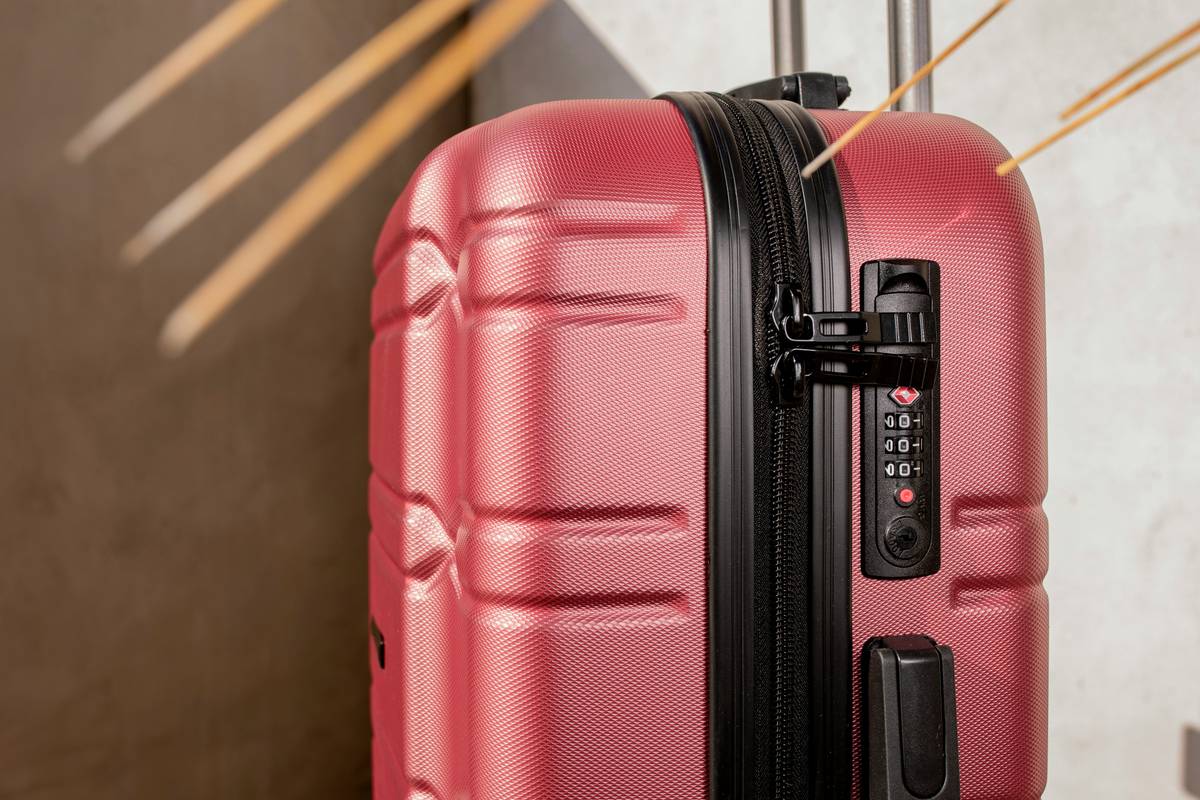
| TSA Lock Integration | Aftermarket zipper loops | Embedded mechanical lock with anti-pry housing |
| Real-World Lifespan | 6–12 international trips | 30+ trips with zero structural failure |
The Industry Secret No Brand Admits
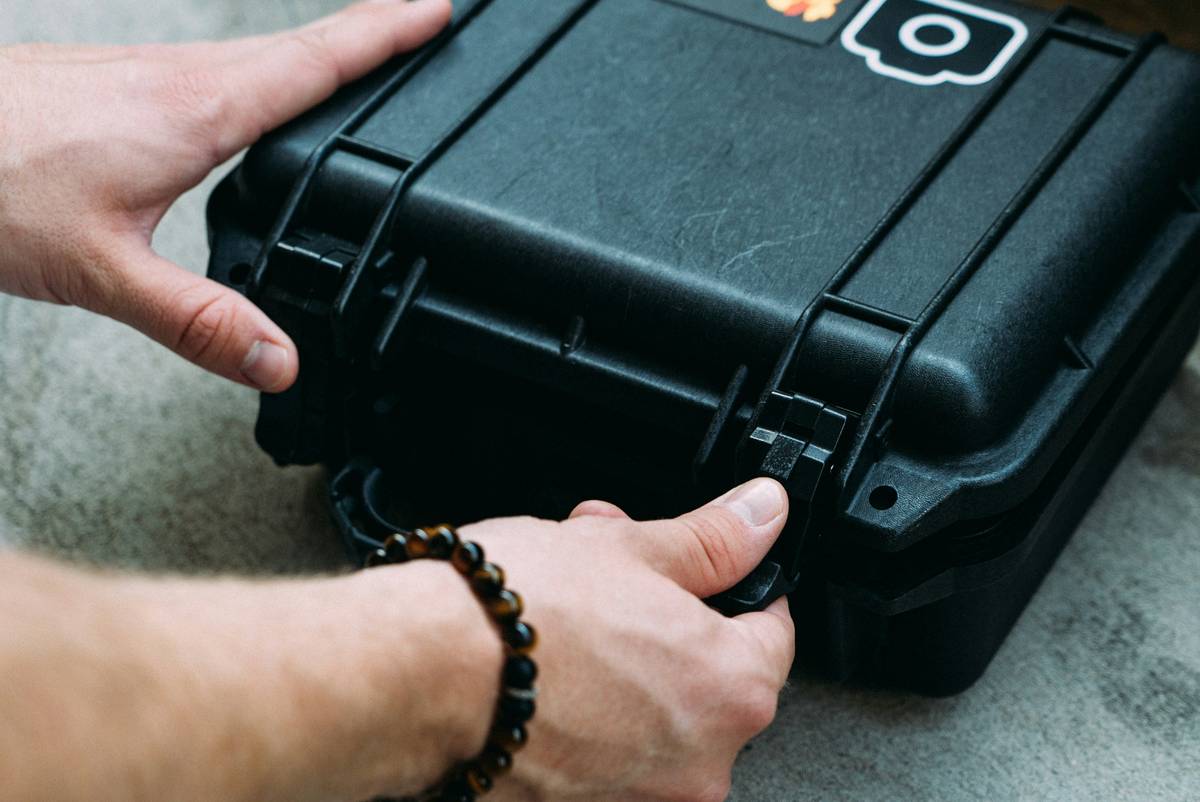
Here’s what luggage manufacturers won’t tell you: most “hardshell” suitcases are designed to last just past the return window. Why? Because replacement cycles drive profits. The real armor-grade cases—the ones flight crews and photographers use—are built to MIL-STD-810G specs (military drop/shock standards). But they’re rarely marketed to consumers. Instead, they’re sold as “pro equipment” through niche distributors. Pro tip: Look for internal frame systems and aluminum perimeter rails—those signal true armor engineering, not just glossy marketing.
Frequently Asked Questions
Is a hard travel armor bag worth the extra cost?
Yes—if you check bags regularly. The upfront cost pays off after 8–10 trips when budget cases fail. It’s insurance against lost contents and rental fees.
Can I carry a hard travel armor bag as a personal item?
Only if it meets your airline’s under-seat dimensions (usually ≤18”). Most full-size models exceed this—opt for a 20” cabin version instead.
Do TSA agents break hardshell locks?
Not if you use integrated TSA-approved locks. Cheap padlocks or zip ties get cut. Hard travel armor bags with built-in mechanical locks survive inspections intact.