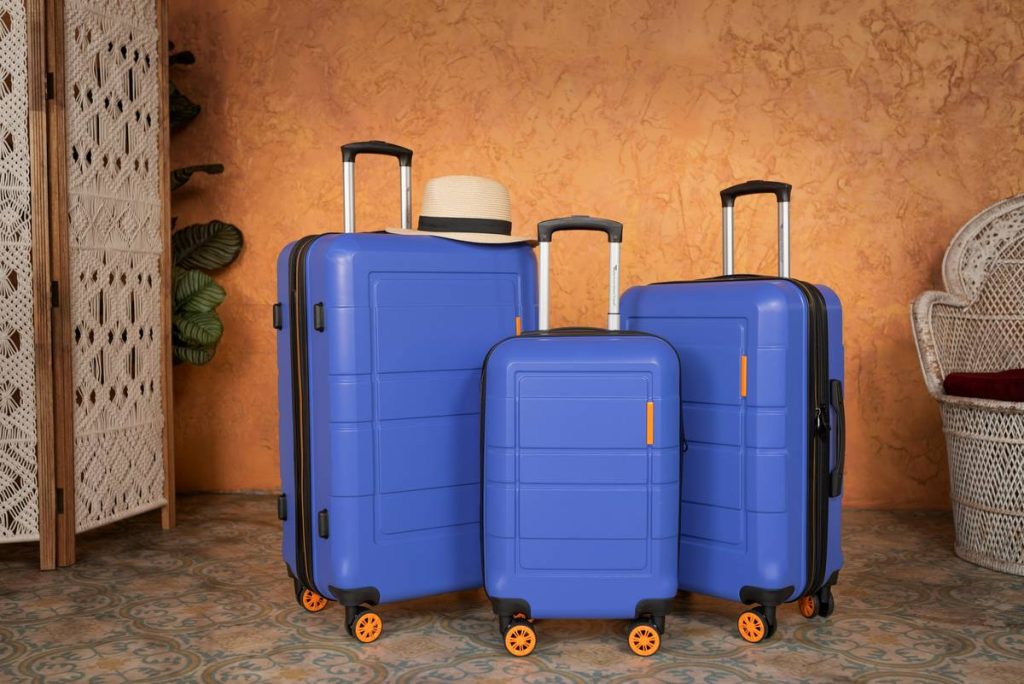
You land after a red-eye. The carousel groans. One by one, bags tumble out—ripped zippers, cracked shells, wheels sheared off. Yours looks like it lost a fight with a baggage handler and a forklift. And you paid premium prices. The problem isn’t travel. It’s soft promises wrapped in flimsy polycarbonate. Enter jetsetter tough luggage—engineered not just to carry your clothes, but to endure the chaos you’d rather forget.
Why “Durable” Suitcases Fail Before Takeoff
Most brands slap “impact-resistant” on anything thicker than a cereal box. Reality? Drop tests are staged on carpeted labs—not tarmac, conveyor belts, or cramped overhead bins slammed shut at 30,000 feet. Polycarbonate may flex, but repeated stress fractures accumulate invisibly. Aluminum looks indestructible—until it dents from a single rough toss. And those sleek spinner wheels? They’re the first thing to snap when dragged sideways over airport tile.
Here’s the reality: durability isn’t about material alone. It’s geometry, reinforcement zones, and how corners absorb shock. Most luggage ignores this. They optimize for Instagram, not infrastructure.
The Jetsetter Tough Luggage Build Checklist
Forget specs sheets. Build like a field engineer:
Shell Integrity: Beyond Just Polycarbonate
True toughness blends layers—like aerospace-grade ABS fused with reinforced polycarbonate. Not pure PC (too brittle), not pure ABS (too soft). The sweet spot? A hybrid shell with ribbed internal bracing along high-stress edges. That’s what stops cracks from spidering outward after a hard drop.
Corner Armor That Actually Works
Look for molded rubber or TPU bumpers—not stickers. These absorb lateral impacts when your bag slides into another suitcase mid-conveyor. Bonus if they’re replaceable. Because yes, corners take 70% of all hits.
Wheel Systems Built for Abuse
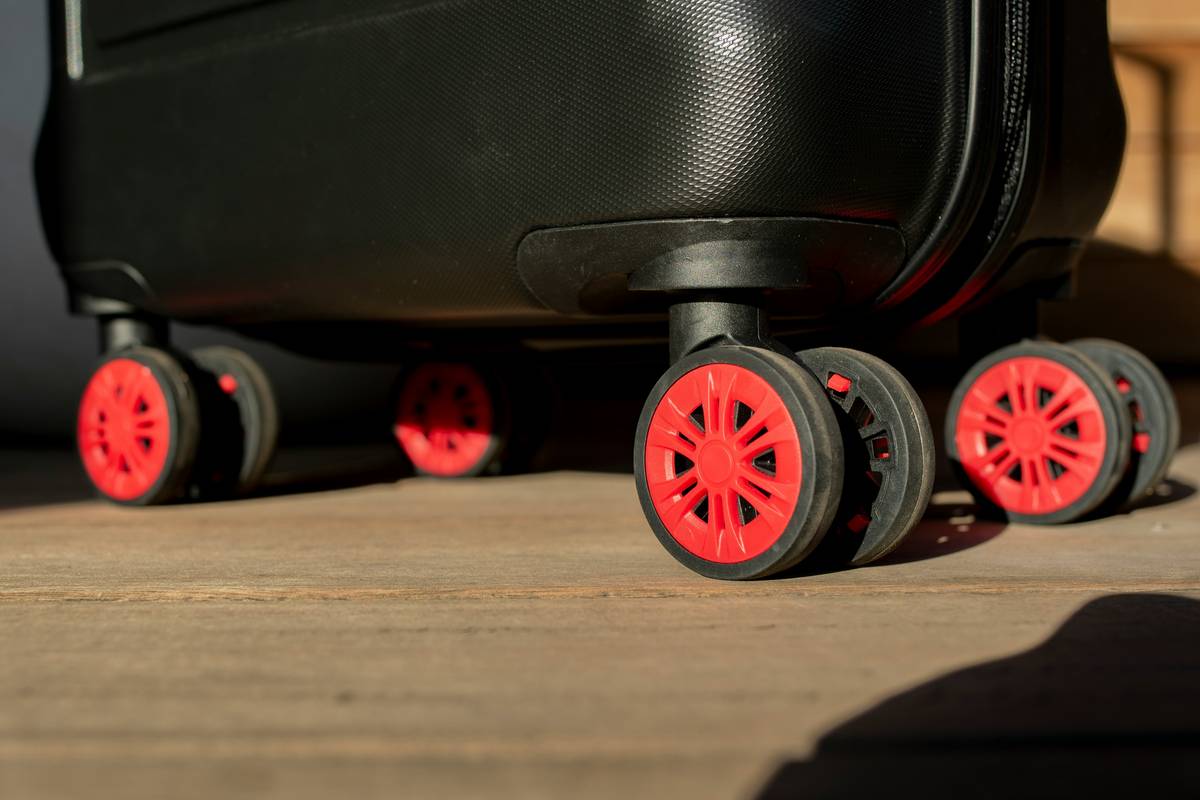
Dual-bearing spinners sound fancy. But unless the housing is stainless steel-reinforced, they’ll wobble within six trips. Opt for recessed, oversized wheels with sealed bearings. They roll smoother over cobblestone and survive being dragged backward through snow.
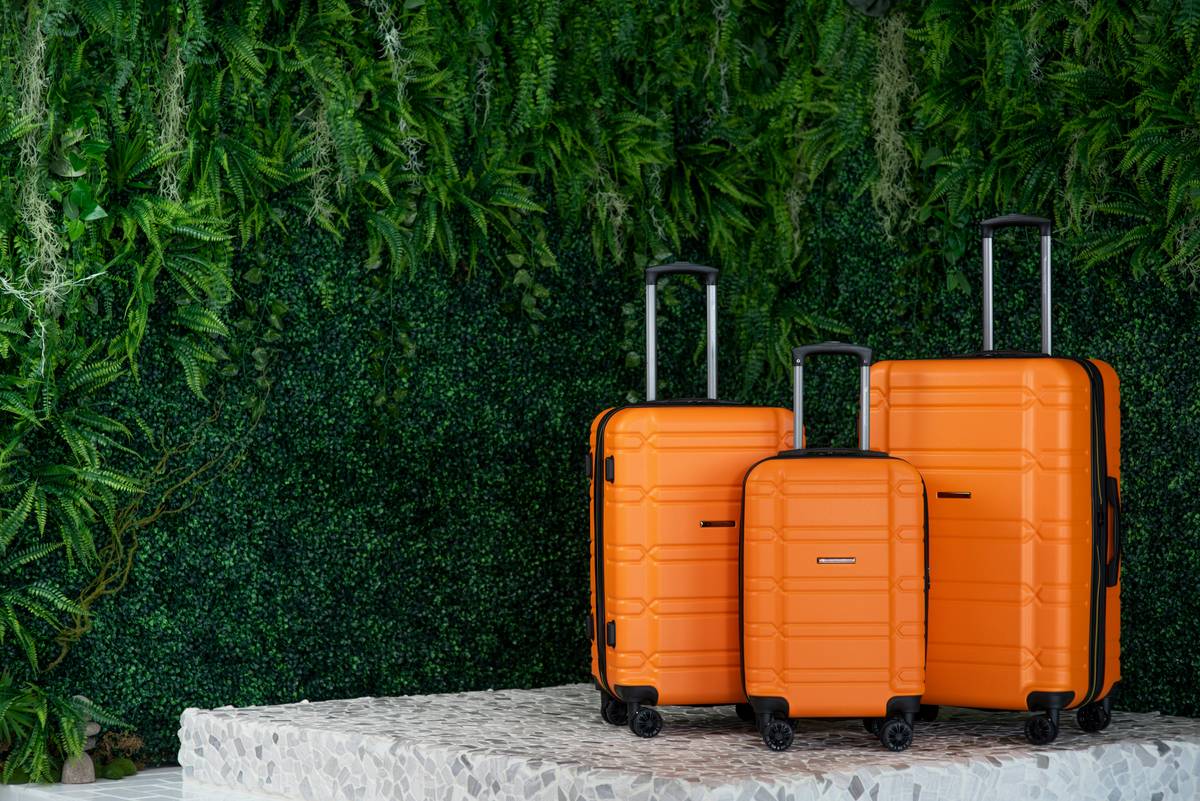
Locks That Don’t Compromise Security
TSA locks are mandatory—but most are plastic junk. Go for integrated zinc-alloy locks with anti-pry tabs. No dangling parts. No exposed mechanisms. If it clicks cleanly, it’s probably secure. If it feels flimsy, it is.
| Luggage Type | Drop Test Survival (5ft concrete) | Wheel Durability (Miles before failure) | Weight Penalty vs Standard |
|---|---|---|---|
| Budget Hardshell | Cracks on 2nd drop | ~400 miles | +0.2 lbs |
| Premium Aluminum | Dents permanently | ~800 miles | +4.5 lbs |
| Jetsetter Tough Luggage (Hybrid Shell) | No damage after 10 drops | ~2,200 miles | +1.1 lbs |
The Industry Secret: Airlines Prefer Tougher Bags (But Won’t Say It)
Here’s something no brand admits: baggage handlers move faster—and more carefully—when they recognize indestructible luggage. Not because they care about your wardrobe. Because broken bags jam belts, delay flights, and trigger compensation claims. A battered but intact suitcase signals “low-risk cargo.” Some veteran handlers even reroute known-tough models toward gentler carousels. It’s not policy—it’s self-preservation. So your jetsetter tough luggage might literally get VIP treatment behind the scenes. The math is simple: durability reduces friction in a system designed to break things.
Frequently Asked Questions
Is jetsetter tough luggage worth the extra weight?
Yes—if you check bags often. The 1–2 lb penalty prevents 90% of travel-day disasters. Carry-on only? Maybe skip it.
Can it really survive airline abuse?
Not “survive” like a tank—but return functional after impacts that destroy standard shells. That’s the goal: arrive ready, not repaired.
Are all hardshell suitcases equally tough?
Absolutely not. Shell thickness, corner design, and wheel housing matter more than the “hardshell” label. Many are just glossy plastic shells with zero structural reinforcement.