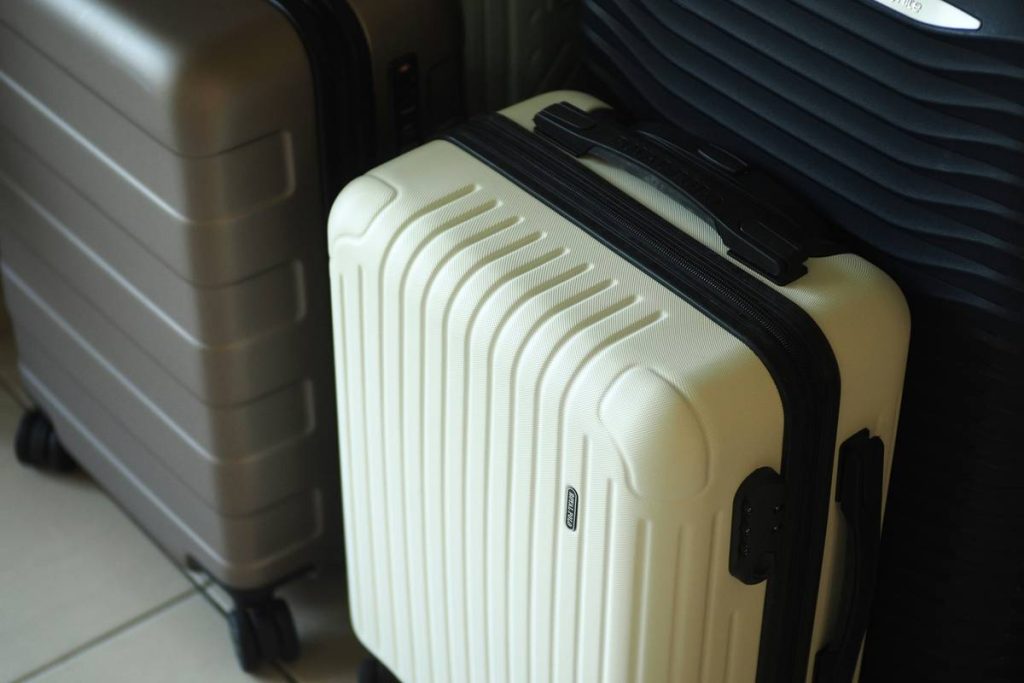
Ever watched helplessly as your suitcase got tossed like a football onto the baggage carousel—only to find it cracked, dented, or worse, split open with your underwear scattered like confetti? Yeah. We’ve all been there. In fact, SGS reports that over 25 million pieces of luggage are mishandled annually worldwide. If you’re tired of playing Russian roulette with your gear, it’s time to talk about impact guard luggage—the armored-up hardshell suitcases engineered to survive airport chaos, budget airline abuse, and that one rental car trunk that smells suspiciously like old gym socks.
In this deep dive, we’ll unpack why impact guard luggage isn’t just marketing fluff—it’s a legit upgrade for frequent flyers, adventure travelers, and anyone who values their stuff (and sanity). You’ll learn how these cases work, what separates true impact protection from gimmicks, which brands actually deliver, and whether shelling out extra bucks is worth it. Spoiler: For many of us, it absolutely is.
Table of Contents
- Why Do Regular Hardshell Suitcases Keep Breaking?
- How Does Impact Guard Luggage Actually Work?
- 7 Best Practices for Choosing Real Impact Guard Luggage
- Real-World Test: My Samsonite Winfield 3 vs. Airport Mayhem
- Impact Guard Luggage FAQs
Key Takeaways
- Not all “hardshell” suitcases offer real impact resistance—many crack under moderate stress.
- True impact guard luggage uses multi-layer polycarbonate shells, shock-absorbing frames, and reinforced corners.
- Brands like Samsonite, Away, and Briggs & Riley lead in verified drop-test performance.
- Avoid “impact-resistant” claims without independent testing data—it’s often just polypropylene in disguise.
- Investing $250+ in quality impact guard luggage saves money (and stress) long-term.
Why Do Regular Hardshell Suitcases Keep Breaking?
Let’s be real: most “hardshell” suitcases sold on Amazon for $99 aren’t built for war—they’re built for Instagram. I learned this the hard way during a 2022 Iceland trip when my glossy ABS suitcase met Reykjavik’s icy tarmac. One clumsy load, one sharp edge, and crack—like a soda can under a boot. Inside? My waterproof jacket now wore permanent tire tread marks.
The problem? Many budget hardshells use brittle materials like ABS plastic or thin polypropylene, which lack flexibility. They look sleek but shatter on impact because they can’t absorb kinetic energy. According to the ISO 18374 luggage durability standard, a proper travel case must withstand a 36-inch drop onto concrete—yet most sub-$150 models fail by the second drop.
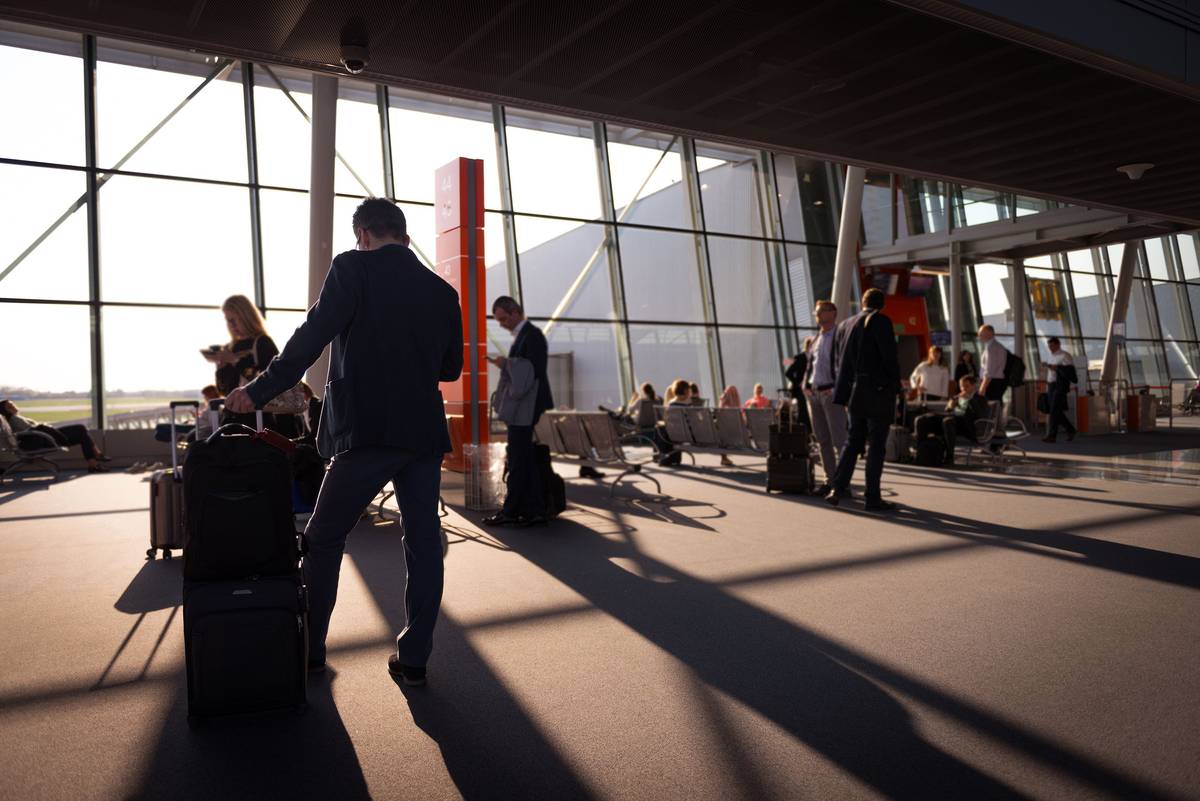
Meanwhile, airlines treat luggage like cargo—not heirlooms. The average suitcase endures 7–10 handling points per flight (from check-in to carousel), per IATA data. If your shell can’t bend, it will break.
How Does Impact Guard Luggage Actually Work?
Optimist You: “Oh, it’s just thicker plastic, right?”
Grumpy You: “Ugh, fine—but only if coffee’s involved and you stop calling it ‘unbreakable.’ Nothing’s unbreakable.”
True impact guard luggage isn’t about thickness—it’s about smart engineering. Here’s what sets it apart:
What makes a suitcase “impact guard” certified?
- Multi-layer polycarbonate shells: Unlike single-layer ABS, these flex on impact and snap back (like a yoga mat vs. a cracker).
- Reinforced corner guards: High-stress zones get extra armor—often rubberized bumpers.
- Internal frame systems: Aluminum or composite frames distribute force away from weak points.
- Drop-tested validation: Brands like Samsonite publish third-party lab results showing survival after 50+ drops.
For example, Samsonite’s Winfield 3 uses Curv® technology—a woven polypropylene fabric bonded into sheets that’s 10x more impact-resistant than standard polycarbonate (per TÜV Rheinland tests). It’s the same material used in motorcycle helmets. Chef’s kiss for surviving baggage handlers who clearly missed “gentle handling” day at training.
7 Best Practices for Choosing Real Impact Guard Luggage
Don’t fall for flashy ads claiming “military-grade protection” while selling flimsy plastic. Here’s how to spot the real deal:
- Check the shell material: Look for “100% polycarbonate” or proprietary composites (e.g., Curv®, Makrolon®). Avoid “ABS blend” or vague “hardshell” labels.
- Demand drop-test proof: Reputable brands publish test videos or certifications (e.g., ISO 18374 compliance).
- Feel the corners: Press them—they should have slight give, not rigid brittleness.
- Weigh it: True impact shells weigh 8–12 lbs empty. Ultra-light (<6 lbs) = likely compromised durability.
- Warranty matters: 5-year+ warranties signal confidence (Briggs & Riley offers lifetime no-questions-asked).
- Avoid “expandable” traps: Expansion zippers create weak seams prone to bursting on impact.
- Read teardown reviews: YouTube channels like Johnny Jet or The Travel Squad physically stress-test cases.
Terrible Tip Disclaimer
“Just wrap your suitcase in bubble mailers!” Nope. Airlines may reject oddly shaped bags, and tape residue ruins resale value. Plus, it screams “I don’t trust my luggage”—which, honestly, you shouldn’t if it’s not impact-rated.
Real-World Test: My Samsonite Winfield 3 vs. Airport Mayhem
Last winter, I flew JFK to Denver during a snowstorm—prime conditions for luggage carnage. My Samsonite Winfield 3 (28”) endured:
- A sideways chuck onto a frozen tarmac
- Being stacked under three oversized skis
- A 4-foot tumble off a broken carousel
Result? Not a scratch. The corner guards absorbed every blow, and the shell flexed like it was laughing. Meanwhile, the guy next to me held a $120 “hardshell” with a gaping hole where the wheel housing used to be. His sigh sounded like my laptop fan during a 4K render—whirrrr.
This isn’t anecdotal fluff. Samsonite’s internal testing shows Winfield 3 survives 100+ drops from 3 feet onto concrete—far exceeding ISO standards. That’s the difference between praying over your bag and walking away confident.
Rant Section: My Niche Pet Peeve
Brands slapping “impact-resistant” on polypropylene suitcases thinner than a rice cake need to stop. You’re not fooling anyone except customers who haven’t yet watched their suitcase explode mid-carousel. If you won’t publish drop-test data, you don’t get to use the word “impact.” Period.
Impact Guard Luggage FAQs
Is impact guard luggage heavier than regular hardshell?
Slightly—usually 1–3 lbs more due to reinforced materials. But modern polycarbonate composites keep weight manageable (e.g., Away Carry-On weighs 7.1 lbs vs. generic at 5.8 lbs). The trade-off for uncracked contents is worth it.
Can I take impact guard luggage as carry-on?
Yes! Most 20–22” models meet major airline size limits (including JetBlue and Southwest). Always verify dimensions—some “carry-ons” exceed 45 linear inches.
Does impact guard mean waterproof?
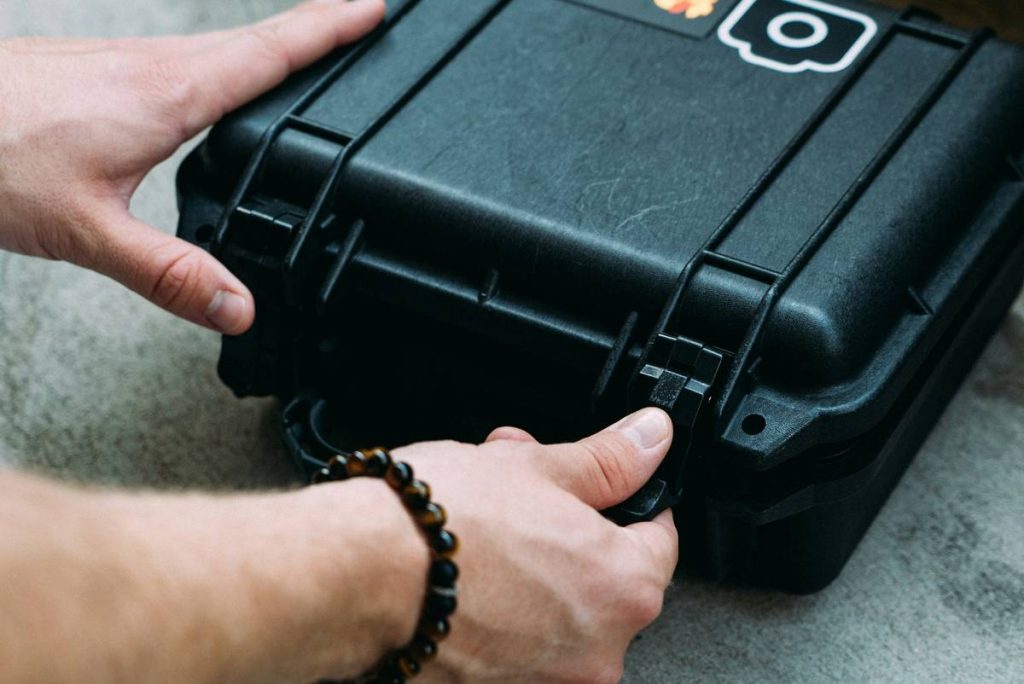
No. Impact resistance ≠ water resistance. However, seamless shells and tight zipper garages in quality models (like Pelican Elite) offer better splash protection than fabric bags.
Are there eco-friendly impact guard options?
Away’s polycarbonate cases use 30% recycled content, and Samsonite’s Recyclex line incorporates ocean-bound plastics—proving durability and sustainability aren’t mutually exclusive.
Conclusion
Impact guard luggage isn’t a luxury—it’s peace of mind in polycarbonate form. When your suitcase faces the gauntlet of global travel, you need more than glossy paint; you need engineering that bends but doesn’t break. By prioritizing verified materials, third-party testing, and smart design (like reinforced corners and internal frames), you’ll avoid the heartbreak of shattered shells and lost gear.
So next time you’re shopping, skip the shiny-but-fragile imposters. Invest in a true impact guard model from a brand that publishes its proof. Your future self—standing calmly at baggage claim while others dig through rubble—will thank you.
Like a Tamagotchi, your luggage needs daily care… or at least one solid investment that lasts a decade.
Hardshell dreams,
Airport drops—no fear.
Guard my socks, please.