You land. You grab your bag off the carousel. It’s cracked. Again. Airlines toss luggage like it’s nothing—because to them, it is. And no amount of “fragile” stickers changes that. But what if your suitcase could actually survive chaos? Enter the shockproof travel bag: engineered armor for your belongings.
The Hard Truth About “Durable” Luggage
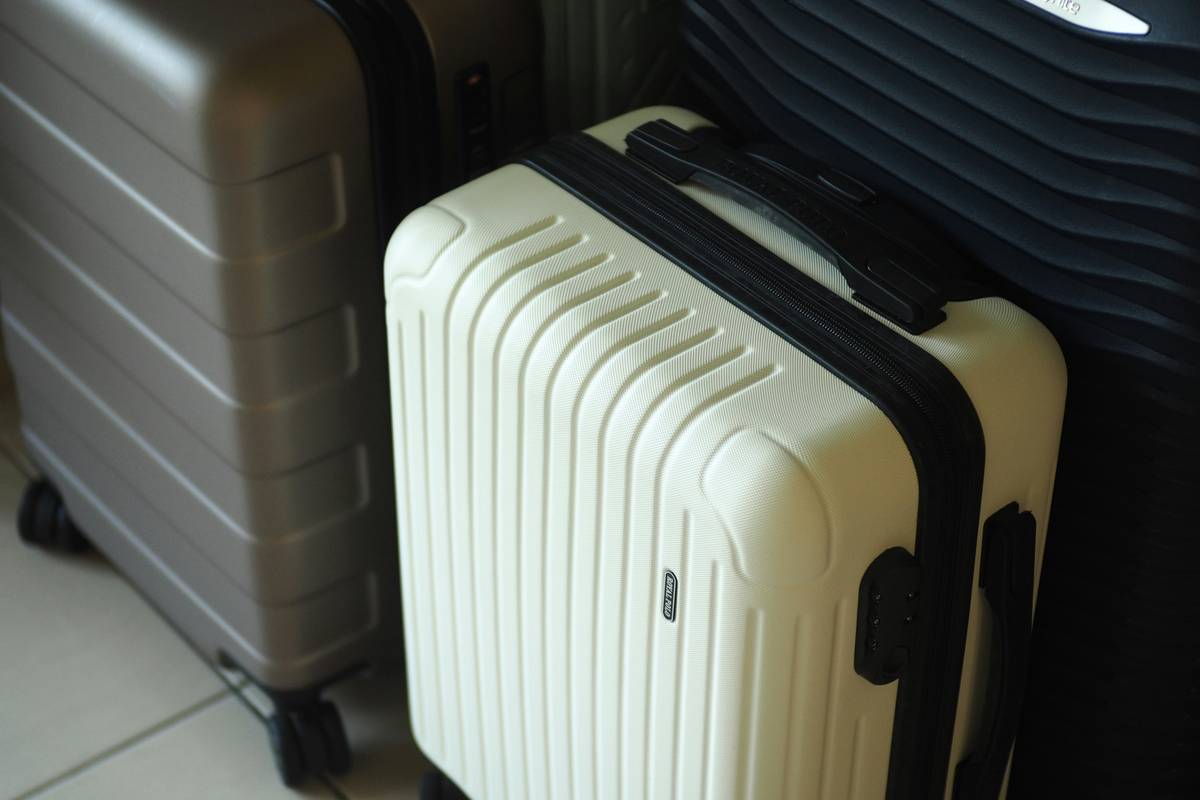
Most hardshell suitcases use polycarbonate or ABS plastic—lightweight, yes, but brittle under impact. Drop one from shoulder height onto concrete? Good luck. And airline baggage handlers don’t gently place your case on the tarmac—they launch it. Repeated stress fractures accumulate fast.
Manufacturers advertise “impact-resistant” shells while quietly omitting drop-test data. The reality? Standard cases absorb energy by deforming—sometimes permanently. Your clothes stay dry, but your laptop? Not so lucky.
How to Choose a Real Shockproof Travel Bag
Forget marketing fluff. True shock protection comes from layered defense—not just a thicker shell. Here’s how to spot the difference:
Shell Material Matters More Than Weight
Look for blends like Curv® or reinforced polypropylene—not pure polycarbonate. These materials flex and rebound instead of cracking. Yes, they’re slightly heavier. But would you rather carry 7.2 lbs or replace a $400 bag every 18 months?
Internal Suspension Beats Padding
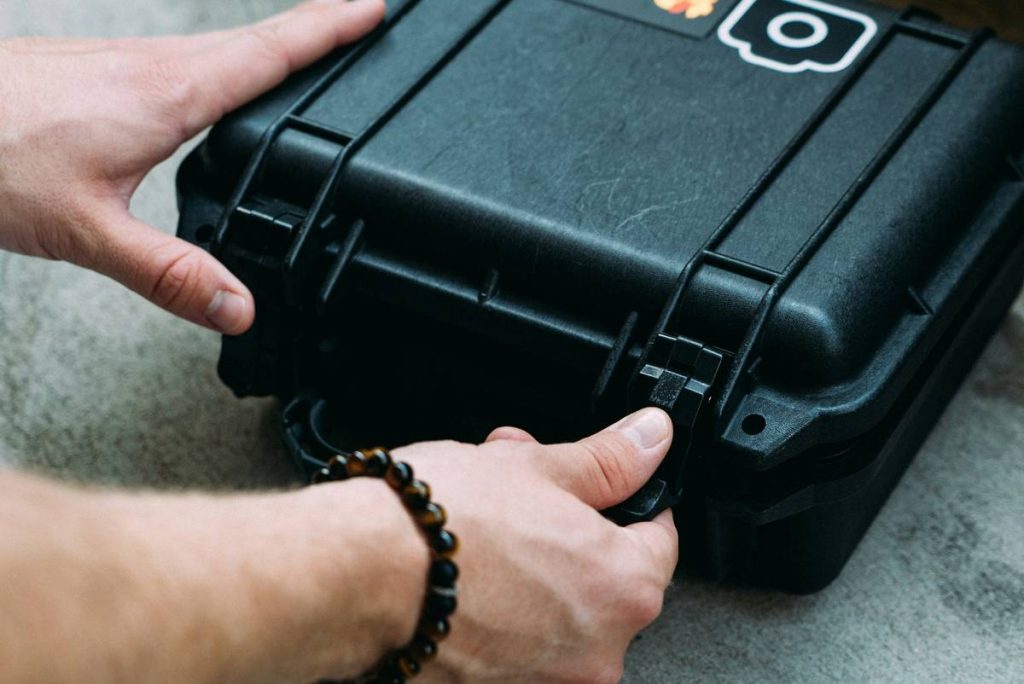
Padding compresses. A suspended inner frame? That isolates contents from external shocks. Think car suspension—your gear floats inside a protective cage. Brands rarely advertise this. Ask directly.
Corners Are the Weak Point
Impact concentrates at edges. Reinforced corner guards with rubberized bumpers aren’t optional—they’re essential. Test them by pressing your thumb into the corner. If it gives more than 2mm, walk away.
| Feature | Standard Hardshell | True Shockproof Travel Bag |
|---|---|---|
| Shell Composition | Pure polycarbonate or ABS | Reinforced polymer blend (e.g., Curv®, Impact+ PP) |
| Corner Protection | Molded plastic only | Rubberized bumpers + metal-reinforced corners |
| Internal Structure | Fixed compartments | Floating chassis with shock-absorbing mounts |
| Average Lifespan (Heavy Use) | 12–18 months | 5+ years |
The Industry Secret: Airline Handlers Have a Code
Here’s something you won’t hear from brands: baggage handlers actually avoid throwing certain bags. Why? Because they recognize rugged designs—and know those bags won’t break when tossed. They’ve seen too many shattered polycarbonate shells littering the tarmac.
One ground agent in Frankfurt told me: “If it looks like it survived a war, I treat it like it might bite back.” So your shockproof travel bag isn’t just protecting your gear—it’s signaling respect to the very people who control its fate mid-transit.
That psychological edge? Worth more than any warranty.
Frequently Asked Questions
Is a shockproof travel bag worth the extra cost?
Yes—if you fly more than twice a year. Most last 3–5× longer than standard hardshells, saving hundreds over time. Plus, peace of mind has value.
Can a shockproof bag go in overhead bins?
Absolutely. Most are carry-on compliant. Look for dimensions under 22×14×9 inches. The reinforced build doesn’t mean bulk—it means smarter engineering.
Do these bags protect electronics during rough handling?
Only if they include internal suspension or dedicated padded sleeves. Shell toughness alone won’t stop your tablet from rattling loose. Always verify interior design.