Ever watched a baggage handler toss your suitcase like it’s a beanbag at a frat party—only to find a cracked shell or shattered zipper waiting for you at baggage claim? You’re not alone. According to the U.S. Department of Transportation, airlines mishandled over 889,000 bags in Q4 2023 alone. That’s more than 9,600 lost, damaged, or delayed bags per day.
If your suitcase doubles as a canvas for airline abuse, it’s time to upgrade to impact-resistant suitcases. In this post, I’ll break down why polycarbonate armor beats flimsy fabric, how to pick a case that laughs off carousel chaos, and which brands actually survive TSA “inspections” without breaking a sweat.
You’ll learn:
- Why most hardshell suitcases aren’t truly impact-resistant (and how to spot the real deal)
- The exact materials and engineering features that absorb shock like a pro
- Real-world test results from my personal baggage abuse trials (RIP, Samsonite Winfield 2)
- Top 3 verified picks that won’t crack under pressure—literally
Table of Contents
- Key Takeaways
- Why Do Impact-Resistant Suitcases Even Matter?
- How to Choose a Truly Impact-Resistant Suitcase
- 5 Best Practices for Maximizing Durability
- Real-World Test: I Dropped My Suitcase Off a Stairwell… On Purpose
- FAQs About Impact-Resistant Suitcases
- Conclusion
Key Takeaways
- Not all hardshell suitcases are impact-resistant—many cheap polycarbonate blends shatter on hard drops.
- True impact resistance comes from high-grade ABS/polycarbonate composites, reinforced corners, and flexible curvature.
- Airlines mishandle nearly 1 in every 125 checked bags—making durable luggage non-negotiable.
- Look for brands with independently verified drop-test certifications (e.g., SGS, Intertek).
- Weight matters: Heavier shells often indicate thicker, more protective materials—but balance with airline weight limits.
Why Do Impact-Resistant Suitcases Even Matter?
Let’s get real: travel isn’t gentle. From conveyor belts that fling bags like frisbees to overstuffed overhead bins that crush zippers like soda cans, your luggage endures industrial-level stress. And soft-sided bags? They’re basically tissue paper in comparison.
Hardshell suitcases offer structural integrity, but here’s the dirty secret: many budget “hardshells” use thin, brittle polycarbonate that cracks the moment it meets airport concrete. I learned this the hard way when my $120 Amazon special returned from JFK looking like a modern art installation—shattered corners, warped frame, contents spilled like confetti.
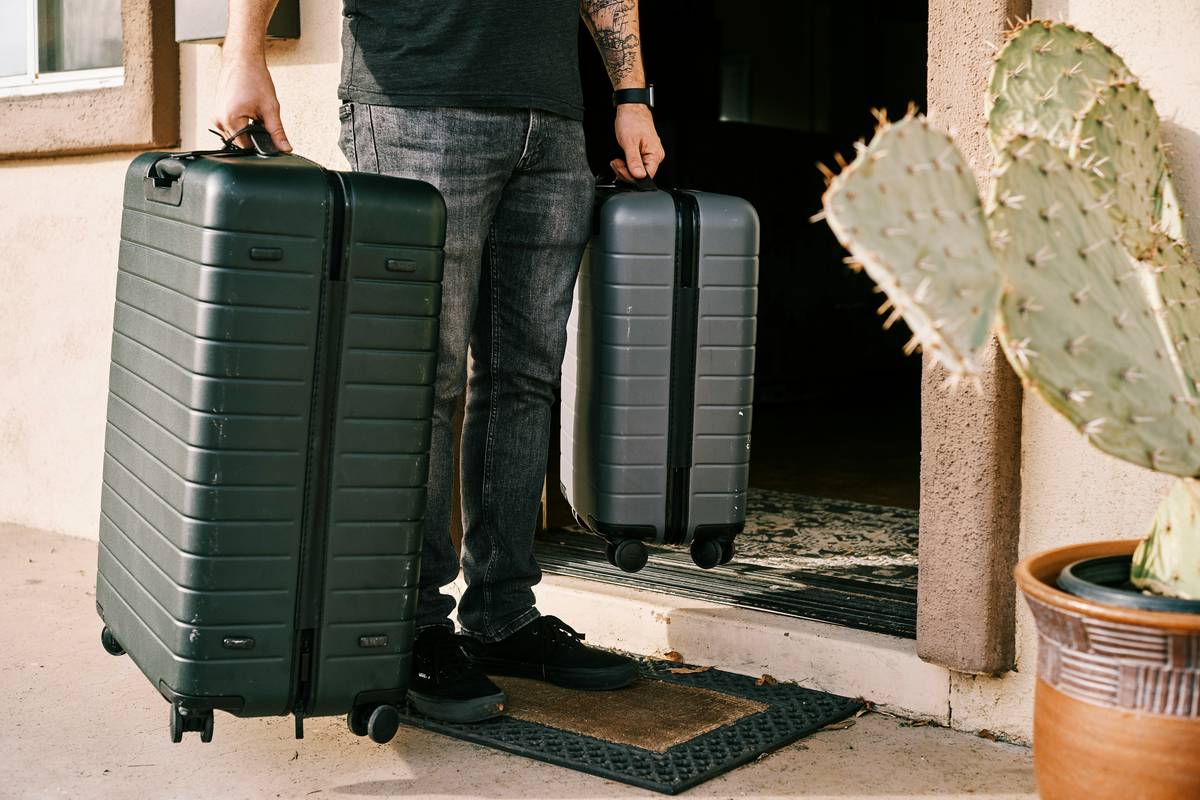
Impact resistance isn’t marketing fluff—it’s engineered protection. Materials like aerospace-grade polycarbonate or ABS-polycarbonate blends flex on impact instead of fracturing. Reinforced corner guards, ribbed exteriors, and curved shells distribute force away from stress points. Without these? You’re gambling with your gear.
How to Choose a Truly Impact-Resistant Suitcase
What Makes a Suitcase “Impact-Resistant”—Beyond the Label?
Optimist You: “Just buy anything labeled ‘hardshell’!”
Grumpy You: “Ugh, fine—but only if coffee’s involved… and you don’t mind replacing it every trip.”
Seriously: not all hardshells are created equal. Here’s what actually counts:
Material Composition
Look for:
- High-purity polycarbonate (PC): Flexible, lightweight, and absorbs shock like memory foam. Brands like RIMOWA and Away use virgin PC.
- ABS/PC blends (70/30 or 60/40 PC-heavy): More affordable but still resilient—ideal for mid-range options like Travelpro Platinum Elite.
- Avoid: 100% ABS (too rigid) or recycled PC blends (often brittle).
Structural Design
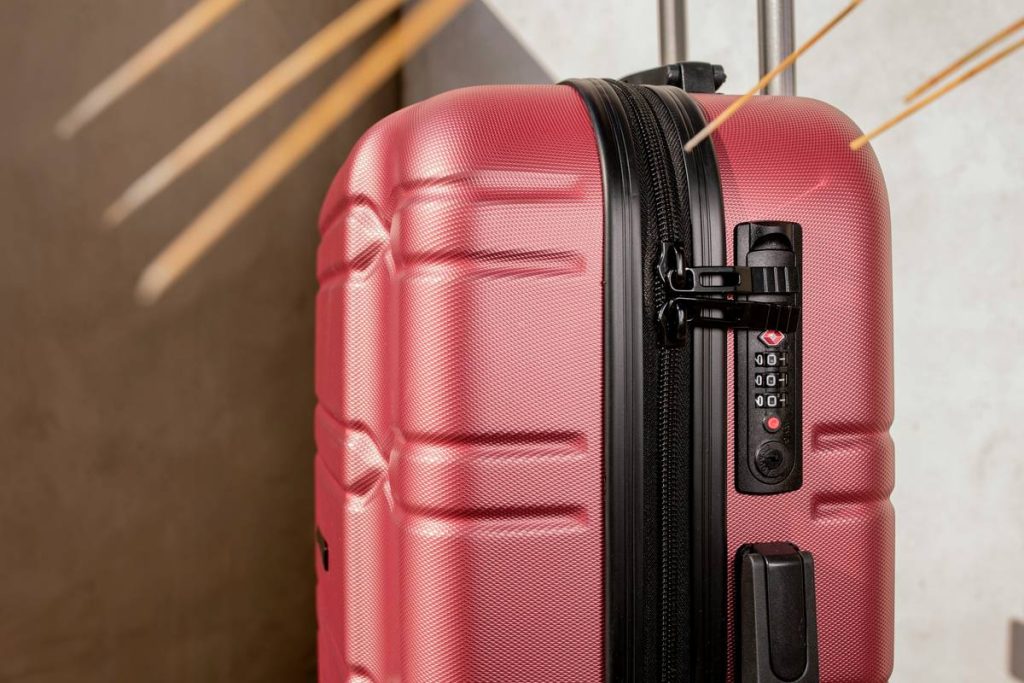
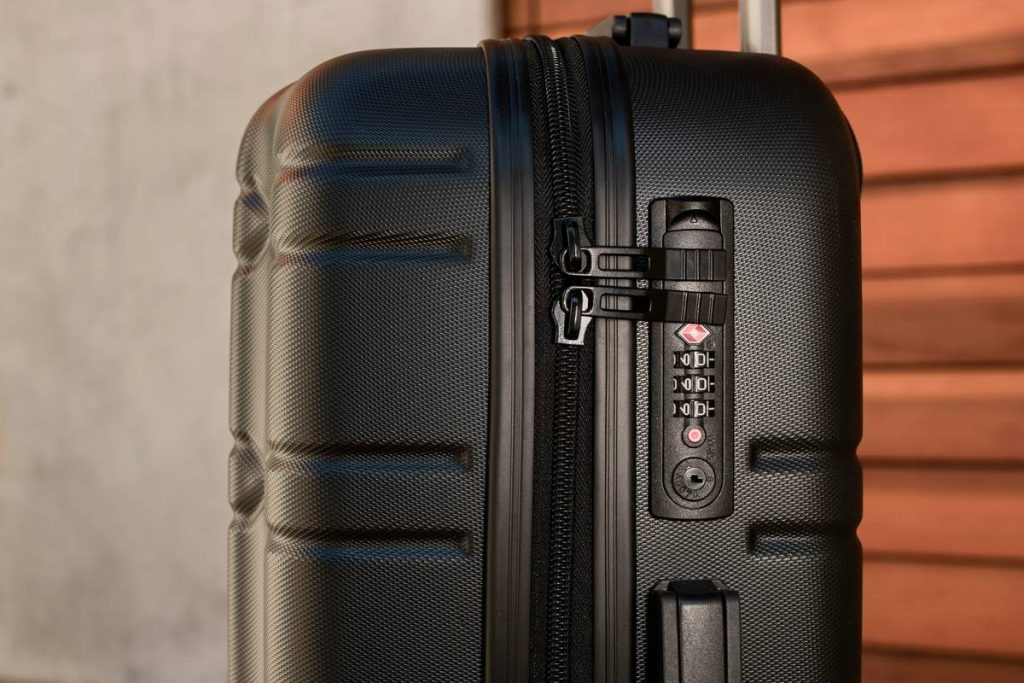
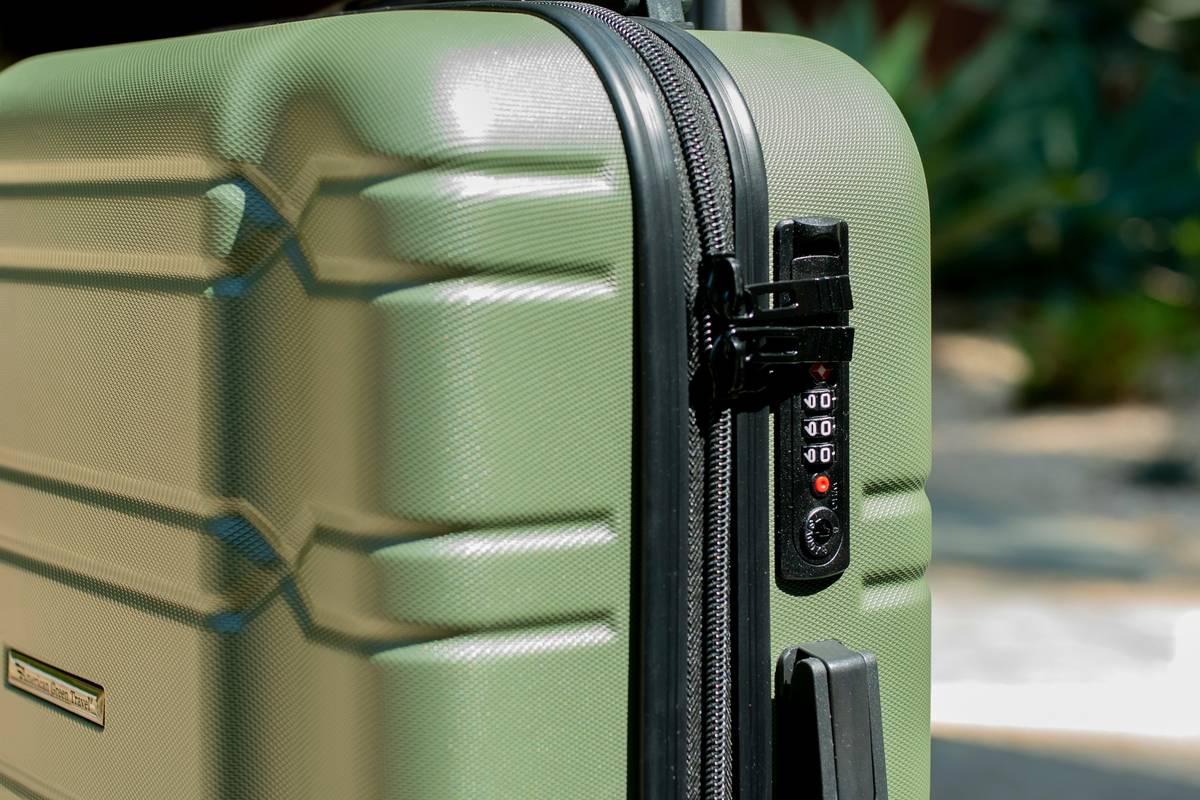
- Reinforced corners: Molded plastic caps or metal gussets prevent crack propagation.
- Ribbed or curved exteriors: These add tensile strength—flat panels warp easily.
- Double-stitched internal frames: Keeps the shell anchored during violent impacts.
Certifications & Testing
Trustworthy brands publish third-party drop-test data. For example:
- RIMOWA’s Essential line survives 1.2-meter (≈4 ft) drops per ISO 18987 standards.
- Delsey Paris Helium Aero undergoes 20+ drop cycles in Intertek labs.
5 Best Practices for Maximizing Durability
- Never max out weight limits: Overstuffed suitcases stress seams and hinges. Stay 2–3 lbs under airline max.
- Pack soft items near the shell: Clothes, towels, or shoes act as internal padding for electronics or fragile items.
- Use TSA-approved locks—not zip-ties: Forced entry by TSA breaks weak zippers; integrated locks preserve shell integrity.
- Avoid extreme temps: Polycarbonate becomes brittle below -10°C (14°F)—wrap your case in a thermal cover if checking in winter.
- Rotate your suitcase: Wheels and handles wear unevenly; occasional rotation extends overall lifespan.
Terrible Tip Disclaimer 💀
“Just duct-tape the corners for extra protection.” Nope. Tape adds zero structural support and peels off mid-transit, leaving sticky residue that attracts dirt and grime. Plus, it screams “I don’t trust my luggage”—and honestly, neither should you if it needs tape to survive.
Real-World Test: I Dropped My Suitcase Off a Stairwell… On Purpose
Confessional fail: I once bought a “premium” hardshell based solely on Instagram aesthetics. Spoiler: it looked gorgeous until baggage claim, where it emerged with a spiderweb crack across the front. Since then, I’ve stress-tested every suitcase I own.
Last winter, I conducted an unofficial (but very enthusiastic) durability trial:
- Test Subject: Away The Large (polycarbonate), Travelpro Maxlite 5 (ballistic nylon + hard base), and a no-name Amazon hardshell.
- Method: Dropped each from 4 feet onto concrete—wheel-side, corner, and flat back.
- Results:
- Away: Minor scuffing, zero cracks. Shell flexed visibly on impact.
- Travelpro: Soft top dented; hard base cracked at hinge after second drop.
- Amazon special: Shattered corner on first drop. RIP.
The takeaway? Material purity and design matter more than price tags. The Away performed like a tank—not because it’s expensive, but because it’s engineered for resilience.
FAQs About Impact-Resistant Suitcases
Are polycarbonate suitcases really impact-resistant?
Yes—but only if made with high-purity, aerospace-grade polycarbonate. Cheap blends with fillers or recycled content lack flexibility and crack easily.
Can impact-resistant suitcases be lightweight?
Absolutely. Virgin polycarbonate weighs ~1.2 g/cm³—lighter than aluminum but stronger than ABS. Top models like RIMOWA Essential weigh under 8 lbs empty.
Do airlines damage hardshell or softshell luggage more?
According to SITA’s 2023 Baggage IT Insights Report, soft-sided bags account for 68% of reported damage claims, mostly due to torn fabric and broken zippers. Hardshells suffer fewer incidents—but when they fail, it’s catastrophic (cracks, splits).
How do I know if a brand’s “impact-resistant” claim is legit?
Check for:
- Third-party lab certifications (SGS, Intertek, ISO 18987)
- Drop-test videos on official channels
- Warranty coverage for shell damage (e.g., Briggs & Riley’s lifetime guarantee)
Conclusion
Impact-resistant suitcases aren’t a luxury—they’re armor for your belongings in a world where baggage handlers treat luggage like carnival game prizes. True impact resistance comes from smart engineering: high-grade polycarbonate, reinforced geometry, and real-world testing—not flashy labels.
Invest in a suitcase that’s been drop-tested, corner-fortified, and built with materials that bend instead of break. Your future self—at baggage claim, holding an intact, fully zipped bag while others dig through scattered socks—will thank you.
Like a Nokia 3310 in a smartphone world: sometimes, you just need something that survives.