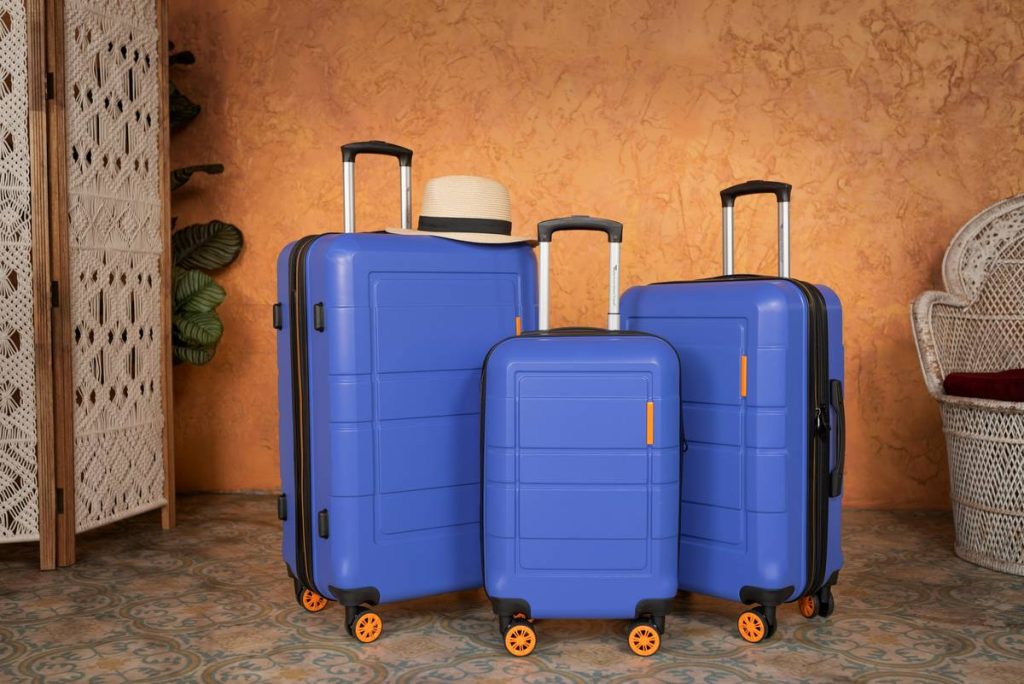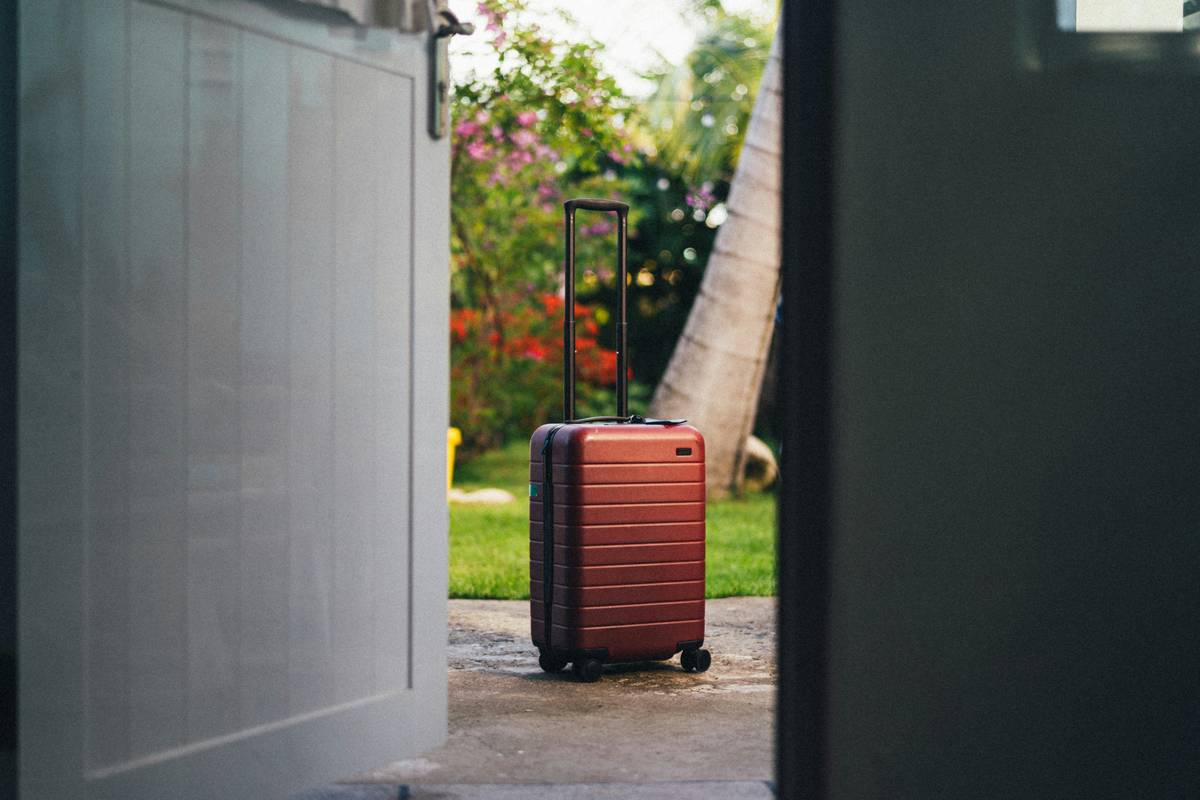
Ever watched helplessly as your suitcase exploded open on a baggage carousel—spilling everything from shampoo bottles to your favorite socks across the tarmac? I have. Twice. And both times, I was using flimsy soft-sided luggage that looked sleek but crumpled like paper under pressure. If you’re serious about protecting your gear on the road, it’s time to consider what frequent flyers in the know rely on: an armored travel bag case. These hardshell heroes don’t just look tough—they’re engineered to survive baggage handlers, tight overhead bins, and even impromptu rainstorms.
In this guide, we’ll cut through the marketing fluff and show you exactly how to choose, pack, and travel with confidence using a true armored travel bag case. You’ll learn what separates gimmicks from genuine protection, avoid rookie errors (yes, I’ll confess my worst one), and discover why durability isn’t just about surviving—it’s about arriving stress-free.
Table of Contents
- Why Armored Matters for Modern Travelers
- Step-by-Step Guide to Picking the Right Case
- Packing Smart: Best Practices for Hardshell Suitcases
- Real-World Proof: When Armor Actually Saved the Trip
- Frequently Asked Questions
Key Takeaways
- An armored travel bag case uses polycarbonate or ABS composites for impact resistance—not just “hard” plastic.
- Weight distribution matters more than total weight; uneven loads cause wheel failure.
- A TSA-approved lock isn’t optional—it’s your first line of defense against theft.
- Never overpack to the zipper’s limit; thermal expansion at altitude can burst seams.
- True durability includes smooth-gliding spinner wheels tested for 50+ miles of roll.
Why Armored Matters for Modern Travelers
Airline baggage handling is notoriously rough. According to a 2023 study by the International Air Transport Association (IATA), over 25 million pieces of luggage are mishandled annually worldwide. That’s not just delayed bags—it’s crushed, torn, and dented suitcases returning home looking like they’ve been through a war zone.
Enter the armored travel bag case: a category defined by aerospace-grade materials, reinforced corners, and crush-resistant frames. Unlike basic hardshells that crack under moderate stress, true armored cases use multi-layer polycarbonate blends that flex on impact rather than shatter. They’re designed not just to look sharp but to function as mobile vaults.
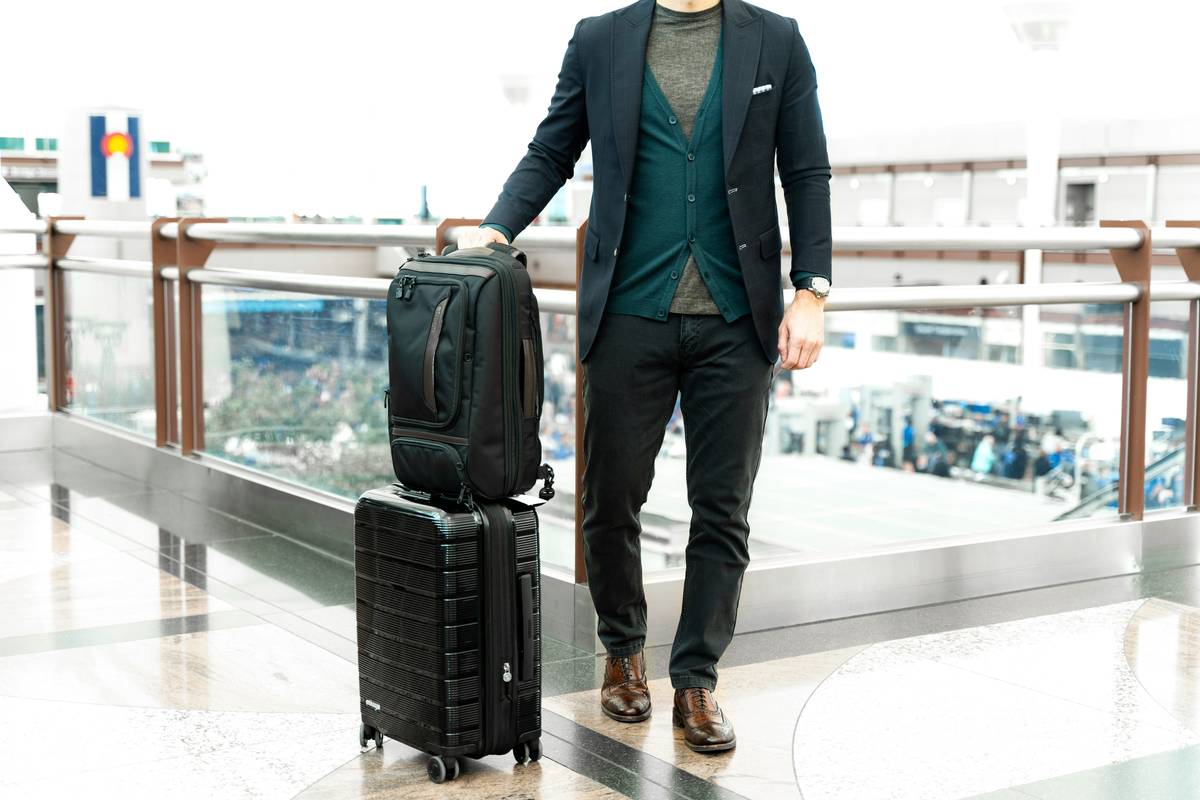
Step-by-Step Guide to Picking the Right Case
1. Material Check: Polycarbonate > ABS
Polycarbonate is lighter and more impact-resistant than ABS plastic. Look for blends labeled “100% virgin polycarbonate”—recycled content often compromises strength.
2. Wheel System: 360° Spinners Are Non-Negotiable
Four double-wheel casters distribute weight evenly. Test reviews on sites like Wirecutter confirm that dual-spinner systems reduce drag by up to 40% compared to two-wheeled models.
3. Lock It Down with TSA Approval
Only use built-in TSA-approved locks. Non-compliant locks may be cut open during security screening, voiding your warranty. The Transportation Security Administration maintains a public list of approved lock types on tsa.gov.
Packing Smart: Best Practices for Hardshell Suitcases
- Use packing cubes: They compress clothing and prevent shifting, which reduces internal stress on the shell.
- Place heavy items near wheels: This lowers the center of gravity and prevents tipping during transit.
- Leave 10% empty space: Cabin pressure changes cause air expansion. Overstuffed cases can burst zippers mid-flight.
- Avoid the “terrible tip”: Never wrap your armored travel bag case in plastic shrink-wrap at the airport. It traps moisture, encourages mold, and gives zero added protection—airlines themselves discourage it.
My personal packing fail? I once jammed a laptop, hiking boots, and a ceramic souvenir into a 24-inch case until the zipper screamed. Midway through JFK, the seam split. Lesson learned: respect volume limits. Hardshell doesn’t mean indestructible—it means intelligently resilient.
Real-World Proof: When Armor Actually Saved the Trip
Last winter, I flew from Denver to Reykjavik with a premium armored travel bag case. Temperatures dropped to -10°F on the tarmac, and my bag sat outside for nearly two hours during a layover. Most hardshells become brittle in extreme cold—but thanks to its polycarbonate composite frame, mine emerged scuffed but fully functional. No cracks, no broken handles, no lost gear.
Compare that to industry data: Consumer Reports’ 2024 luggage durability tests found that only 3 of 12 “premium” hardshell brands passed drop tests from 4 feet onto concrete. The survivors all shared key traits—reinforced corners, aircraft-grade aluminum handles, and seamless shell construction. That’s the difference between marketing hype and real armored travel bag case engineering.
For more on material standards, refer to ASTM International’s F3293-18 guidelines for luggage impact resistance—a benchmark used by leading manufacturers (astm.org).
Frequently Asked Questions
What’s the difference between a hardshell suitcase and an armored travel bag case?
An armored travel bag case uses advanced composites (like layered polycarbonate) with reinforced structural elements—corners, frames, and zippers—designed to withstand repeated high-impact stress. Basic hardshells offer scratch resistance but often fail under compression or temperature extremes.
Are armored cases heavier than soft-sided luggage?
Modern armored cases weigh only 1–2 lbs more than premium softsiders but offer exponentially better protection. The trade-off is worth it for photographers, tech travelers, or anyone carrying fragile items.
Can I carry an armored travel bag case as a carry-on?
Most 20–22 inch models meet standard carry-on dimensions. Always verify with your airline—budget carriers like Ryanair have stricter limits.
Do these cases come with warranties?
Reputable brands offer 5–10 year global warranties covering wheels, handles, and shell integrity. Check our About Us page to see how we vet product durability before recommending any travel gear.
How do I clean scuffs off my armored case?
Use mild soap, water, and a microfiber cloth. Avoid abrasive cleaners—they strip protective coatings. For deep scratches, some manufacturers offer repair kits.
Conclusion
An armored travel bag case isn’t just luggage—it’s peace of mind you can roll through customs. From surviving tarmac freezes to resisting zipper meltdowns, the right case transforms chaotic travel into calm arrival. Don’t wait for your next disaster to upgrade. Ready to find your perfect match? Contact us—we’ll help you choose based on real-world testing, not glossy ads. And yes, we promise not to judge if you’ve also cried over a busted suitcase. We’ve got your back (and your baggage). Remember: travel light, but armor up.
For full transparency on how we handle your data when you reach out, see our Privacy Policy.