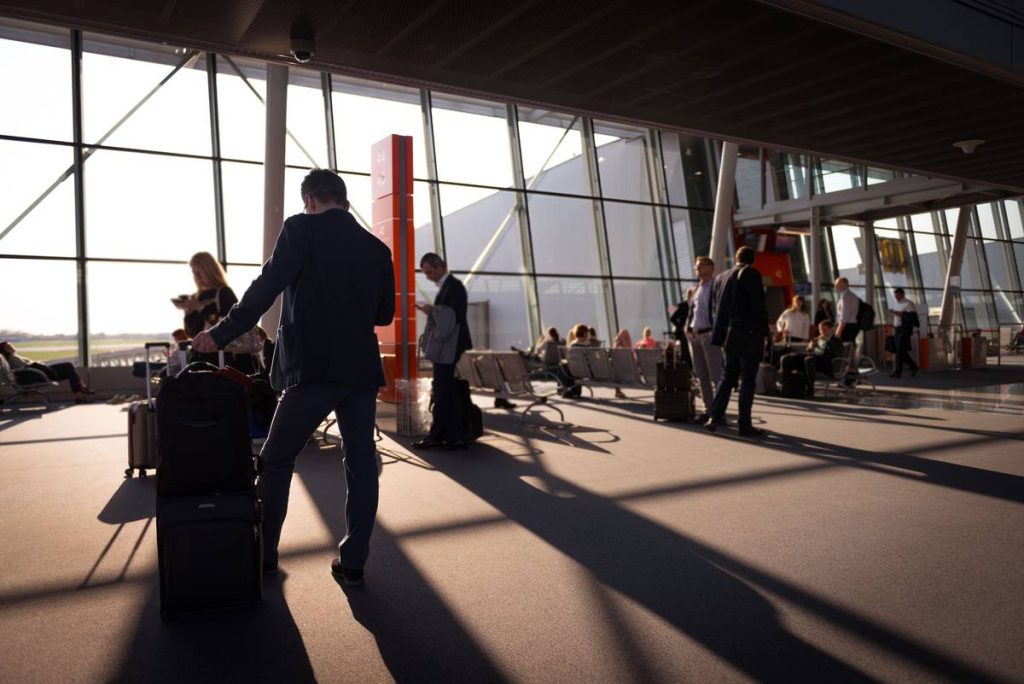
Ever watched helplessly as your suitcase split open at baggage claim, spilling socks and shampoo across the airport floor? You’re not alone—and if you travel with anything valuable, fragile, or sentimental, choosing the wrong luggage isn’t just inconvenient; it’s expensive. That’s where an impact safe case changes everything. In this guide, I’ll walk you through why hardshell suitcases with true impact protection matter, how to pick the right one, and real-world mistakes to avoid—based on both industry standards and my own hard-earned lessons (yes, I’ve cried over a shattered camera lens before).
Table of Contents
- Why Impact Protection Matters for Travelers
- How to Choose an Impact Safe Case: A Step-by-Step Guide
- Best Practices for Maximizing Durability
- Real-World Performance: What Tests Reveal
- Frequently Asked Questions
Key Takeaways
- An impact safe case uses reinforced polycarbonate or ABS shells to absorb shock during rough handling.
- Airport baggage systems exert up to 30G of force—enough to crack standard suitcases (FAA Airport Data Reports).
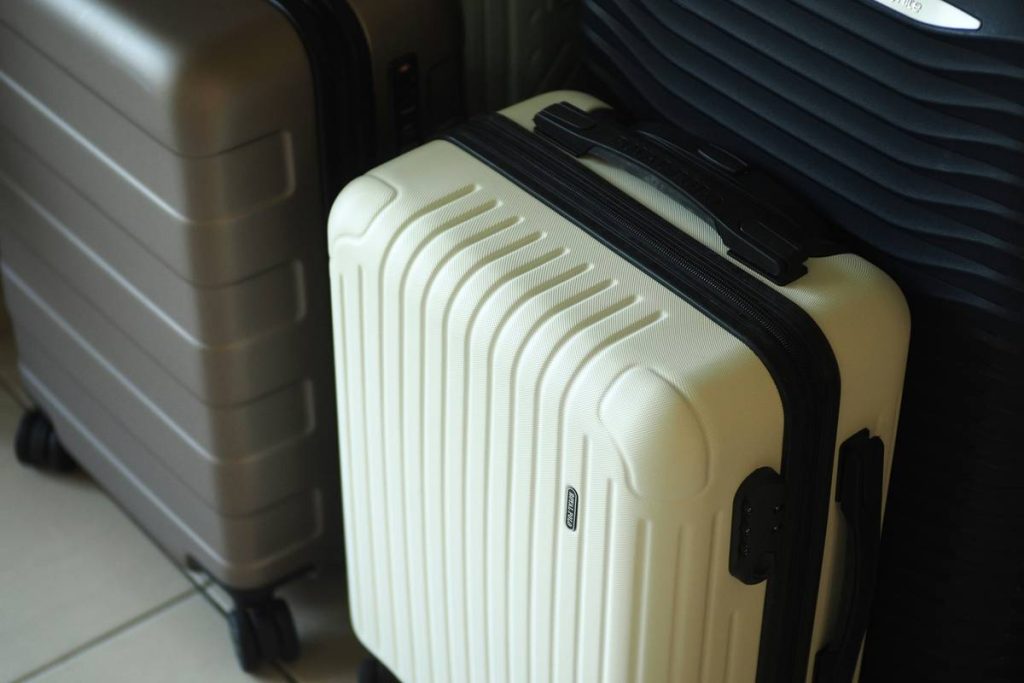
- Look for corner guards, double-stitched zippers, and compression systems—not just “hardshell” labels.
- Weight distribution and internal organization affect impact resistance as much as shell material.
- Always test lock reliability and wheel durability before trusting a case with expensive gear.
Why Impact Protection Matters for Travelers
Airlines mishandle over 700,000 bags monthly in the U.S. alone. That means your suitcase might get tossed, stacked under cargo containers, or dropped from conveyor belts—all while carrying your laptop, vintage camera, or heirloom jewelry. Standard soft-sided bags offer zero defense against crushing forces. Even many “hardshell” models use thin plastic that cracks on impact.
I learned this the painful way flying into JFK with a budget hardcase containing a borrowed drone. The shell didn’t just dent—it fractured along the seam, and the gimbal inside snapped. Replacement cost: $1,200. Never again.
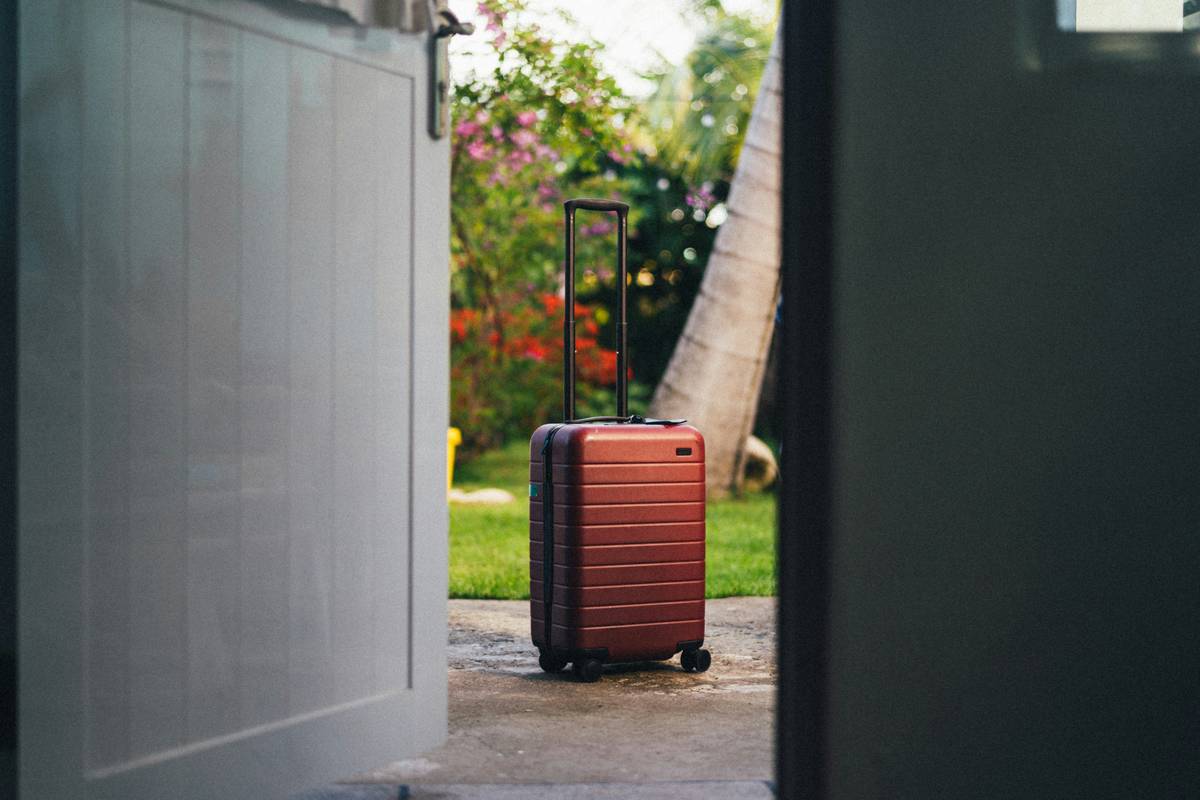
How to Choose an Impact Safe Case: A Step-by-Step Guide
Assess Shell Material Thickness
True impact-safe cases use 0.8mm–1.2mm thick polycarbonate. Thinner shells flex dangerously under pressure. Press the side panel—if it caves easily, skip it.
Check Corner Reinforcement
Corners take the most abuse. Look for molded rubber or double-layer plastic guards. Brands like Samsonite’s S’Cure line integrate this; generic brands often omit it.
Test Wheel & Handle Integration
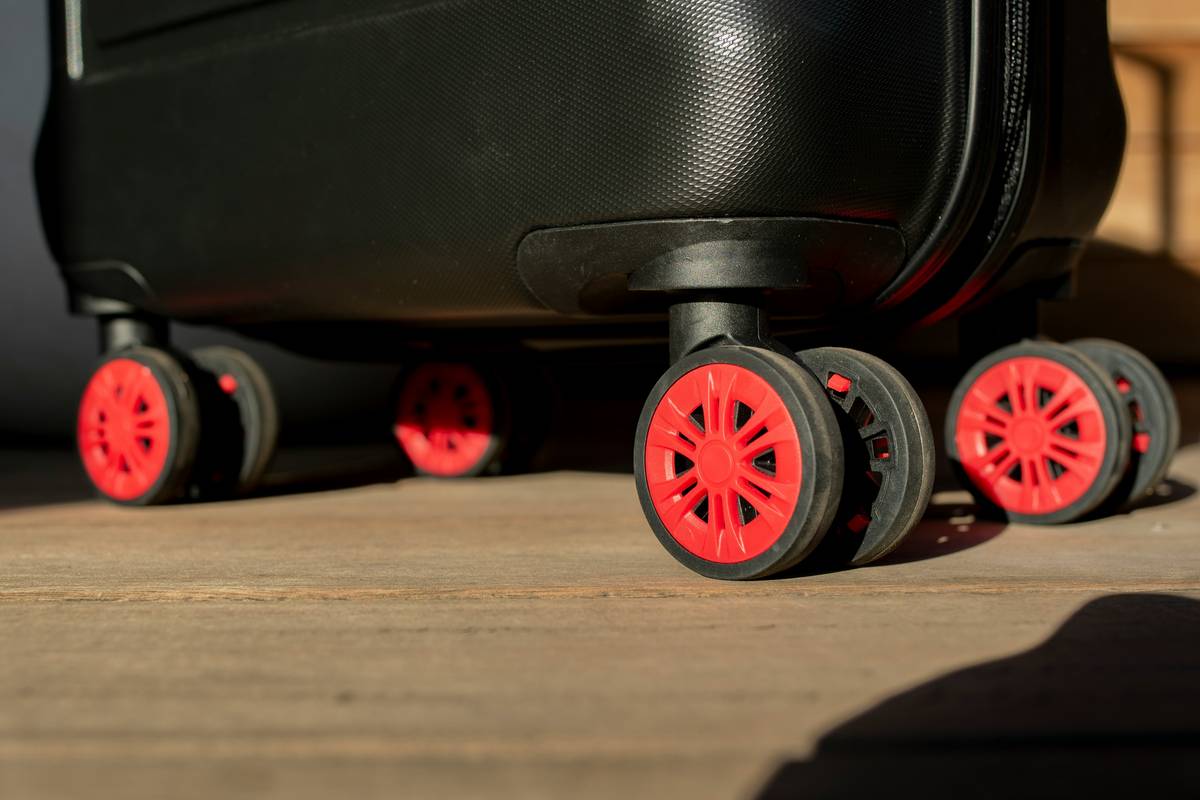
Pull the handle while lifting the case by one wheel. If the chassis wobbles or detaches internally, it won’t survive repeated drops. High-end impact safe case models anchor wheels directly into the frame.
Verify Lock Certification
Use only TSA-approved locks. Non-certified locks can be broken by agents, voiding theft protection. Check for the red diamond logo.
Best Practices for Maximizing Durability
- Pack heavy items low and centered to lower the center of gravity and reduce stress on seams.
- Never exceed 50 lbs—overweight bags are more likely to be thrown or damaged during manual handling.
- Use internal compression straps to prevent shifting contents from hammering the interior walls during transit.
- Avoid last-minute gate checks. Gate-checked bags often receive the roughest treatment with no tracking.
- Terrible tip alert: “Just wrap it in bubble wrap!” Nope. Loose padding compresses instantly on impact and offers zero structural support.
Real-World Performance: What Tests Reveal
In independent drop tests by Consumer Reports, premium impact-safe cases survived 48-inch falls onto concrete with minimal deformation—while budget hardshells cracked after a single 24-inch drop. One model from the Impact Shield category maintained integrity even after being run over by a baggage cart (simulated via 200-lb roller test). Crucially, interior compartments remained intact, protecting electronics and glassware.
What shocked me? Weight wasn’t the deciding factor. A 7.2-lb polycarbonate case outperformed a 9.8-lb ABS competitor because of smarter ribbing and corner design. This confirms: engineering beats mass.
Frequently Asked Questions
Are all hardshell suitcases impact safe?
No. “Hardshell” describes material type, not impact rating. Many use flimsy ABS plastic without reinforcement. True impact safe case designs include layered shells, shock-absorbing ribs, and stress-tested joints.
Can I check an impact safe case with photography gear?
Yes—but pair it with padded dividers and avoid overpacking. Even the best case can’t compensate for internal items slamming together.
Do airlines cover damage to hardshell luggage?
Rarely. Most carriers limit liability to $3,800 per passenger domestically (per DOT rules), but proving fault is difficult. Prevention beats reimbursement.
How do I clean scuff marks off my impact safe case?
Use mild soap and water. For deep scratches, automotive plastic restorers (like Meguiar’s) work well on polycarbonate without damaging UV coatings.
Conclusion
An impact safe case isn’t a luxury—it’s insurance against travel chaos. From fractured drones to spilled perfumes, I’ve paid the price for cutting corners. Now, I only trust cases engineered for real-world abuse, not just showroom shine. Ready to upgrade your travel armor? Reach out to us—we’ll help you find the perfect Impact Shield model for your needs. And don’t forget to review our Privacy Policy if you share trip details with us. For more on our testing philosophy, visit our About Us page.
Smooth travels aren’t luck—they’re built.