You’ve been there. The carousel spins. Bags tumble out. Yours? Split open—spilling socks, chargers, and dignity across the tarmac. Lightweight polycarbonate looks sleek in ads, but real travel isn’t a photoshoot. It’s cracked baggage belts, overstuffed overhead bins, and airport carts that double as battering rams. The fix isn’t more packing cubes. It’s choosing a durable suitcase engineered for chaos—not just for curb appeal.
Most “Hardshell” Suitcases Fail Where It Matters Most
Manufacturers love touting “aircraft-grade” materials. Reality check: many budget hardshells use brittle ABS plastic coated in flashy paint. Drop them once from shoulder height onto concrete—and watch microfractures spiderweb. And those glossy finishes? A single scuff ruins the illusion of luxury.
But it’s not just about material. Weak points hide in plain sight: flimsy zippers buried behind faux-leather trims, spinner wheels with plastic axles that snap after three cobblestone streets, and telescoping handles that wobble like wet noodles under 20 lbs. You’re not buying protection—you’re buying a time bomb wrapped in Instagrammable colors.
How to Build an Unbreakable Travel Arsenal: A Tactical Checklist
Pick gear that survives—not just shows up.
Material Matters More Than Marketing
True durability starts with a shell made of pure polycarbonate (not blends). It flexes on impact instead of cracking. Look for brands that publish durometer hardness ratings—aim for 75D or higher.
Wheel Engineering Is Non-Negotiable
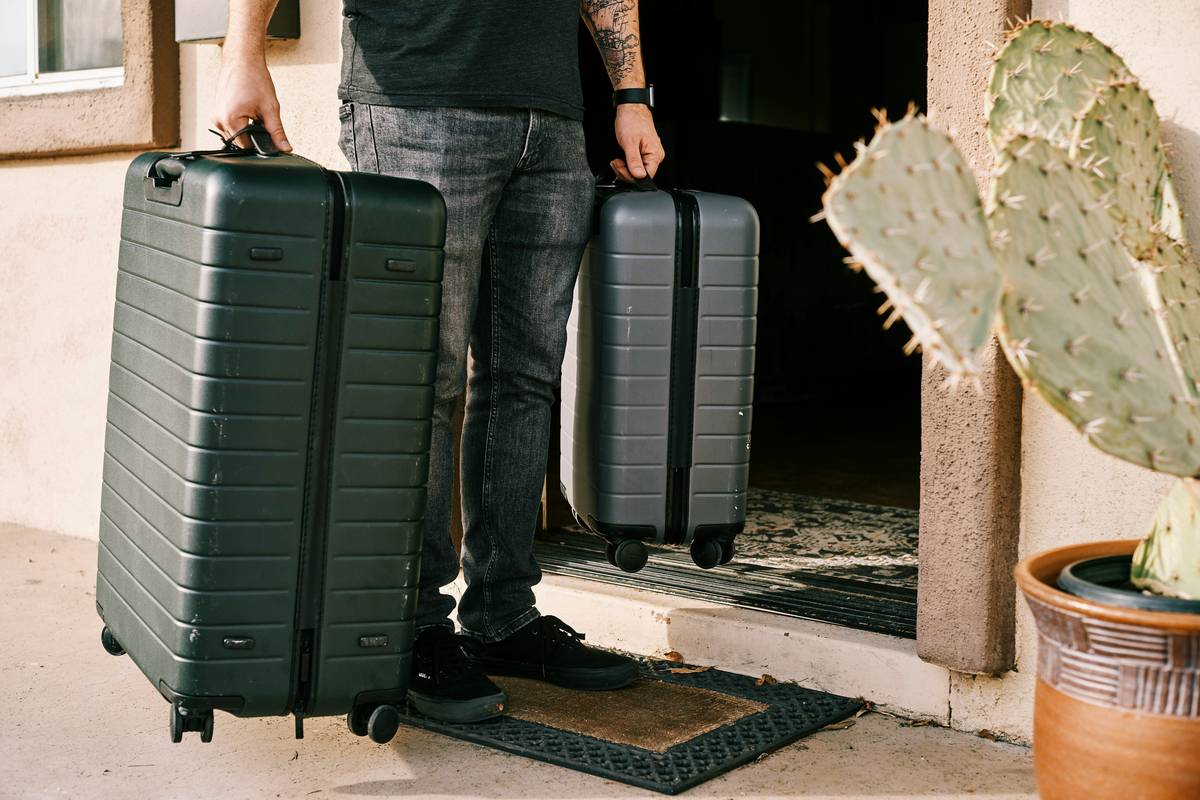
Eight-wheel spinner systems with sealed ball bearings and TPU treads handle gravel, tile, and train platforms without chipping or jamming. Test videos showing off-road pulls aren’t gimmicks—they’re proof.
Locks Should Be Integrated, Not Bolted On
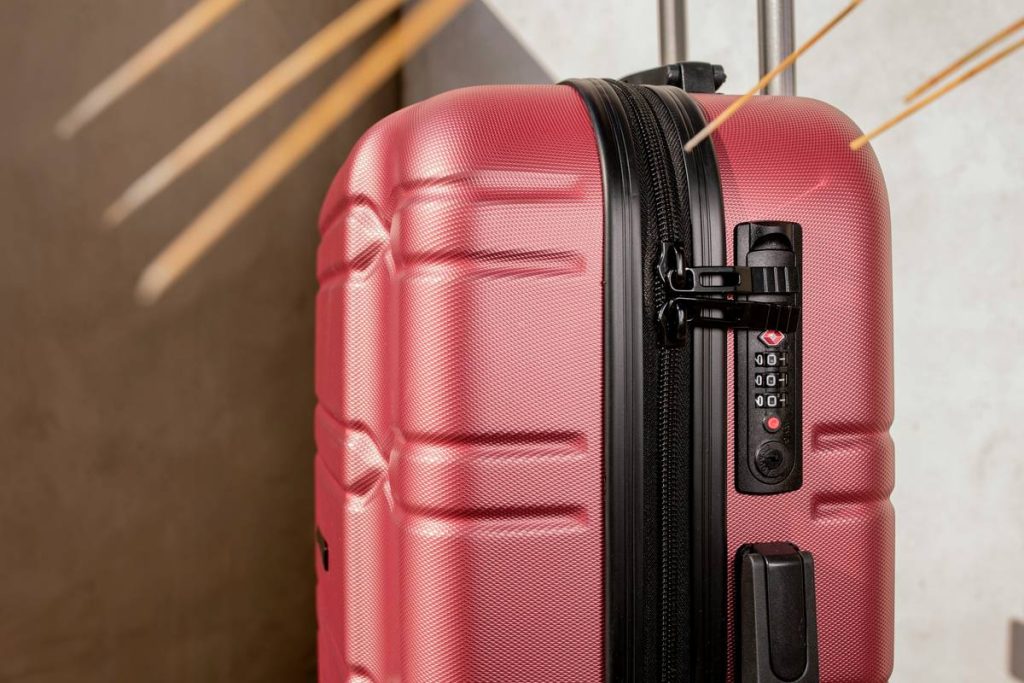
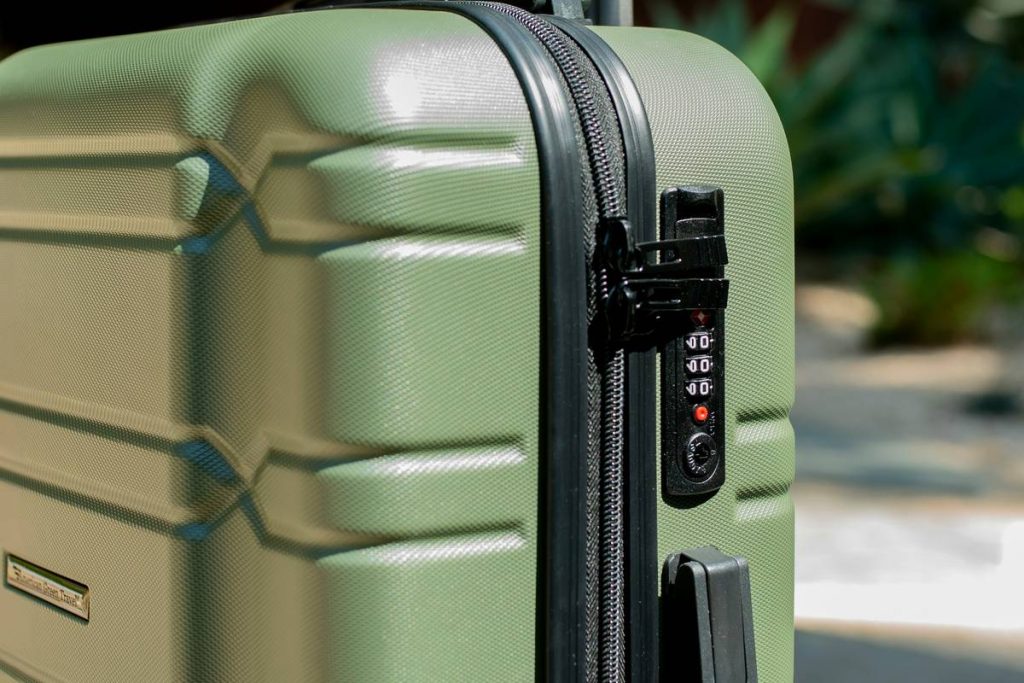
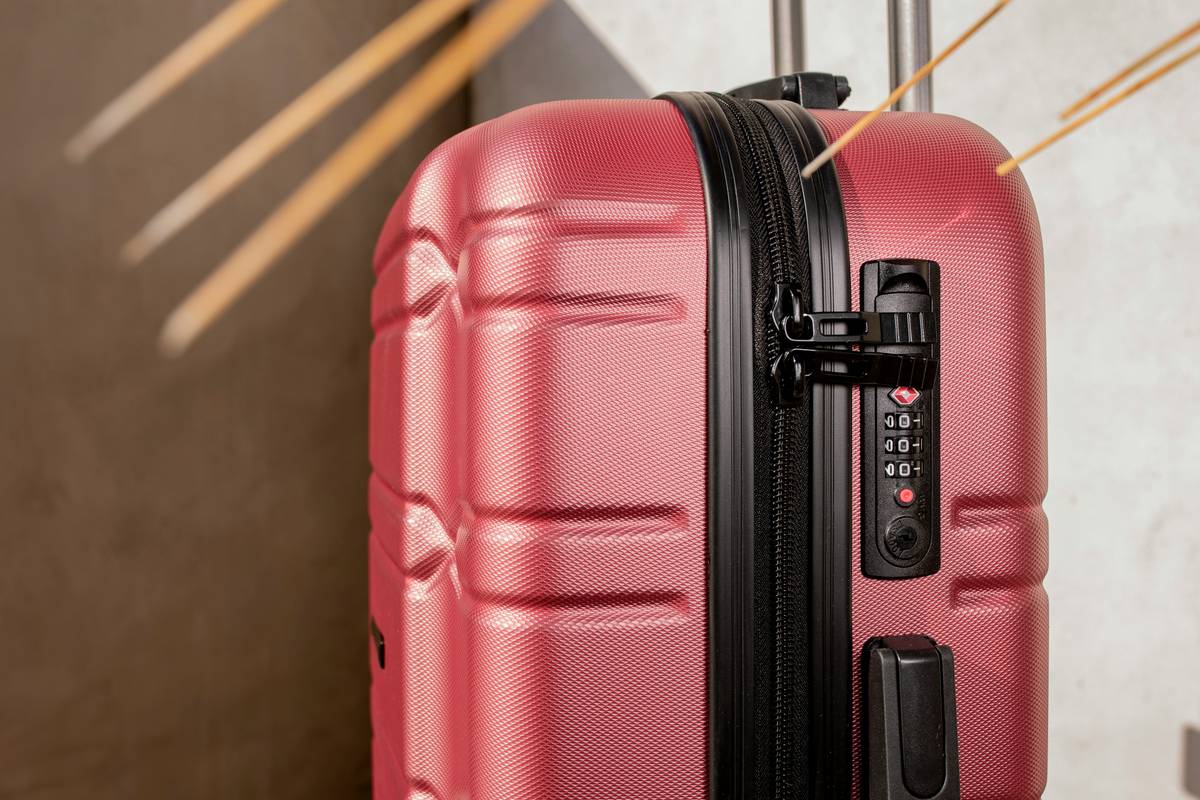
External TSA locks get ripped off. Built-in combination locks flush with the frame survive baggage handlers’ prying hands. Bonus if they’re RFID-shielded—your passport info stays yours.
| Feature | Budget Hardshell ($80–$120) | Premium Durable Suitcase ($250–$400) |
|---|---|---|
| Shell Material | ABS/PC Blend (brittle) | 100% Virgin Polycarbonate (impact-resistant) |
| Wheels | Plastic-rimmed spinners (4 or 6) | Double-bearing TPU spinners (8 total) |
| Handle System | Single aluminum shaft, 2 stops | Dual-tube aircraft aluminum, 4 height positions |
| Warranty | 1–2 years, limited | 10-year global, including wheel & handle repair |
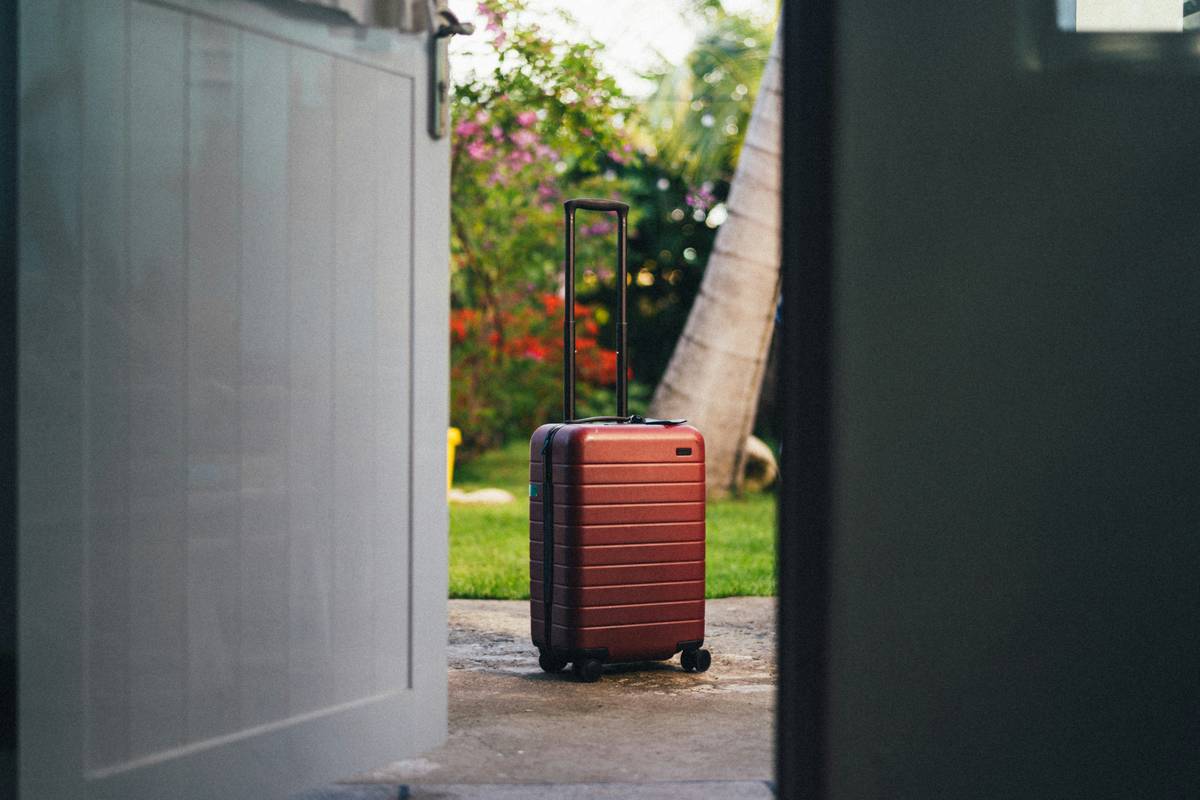
The Industry Secret: Durability Isn’t About Thickness—It’s About Flex
Here’s what luggage execs won’t tell you: thicker shells ≠ tougher suitcases. Some 1.2mm polycarbonate shells outperform 2.0mm ABS because they absorb shock through elastic deformation—bending then snapping back. The magic is in molecular resilience, not millimeters. One European manufacturer even embeds a micro-honeycomb lattice inside their shells—visible only in X-ray scans—that redistributes force on impact. That’s why their cases survive being run over by service vehicles (yes, they test this). Most brands skip this R&D to hit price points. Big mistake.
Frequently Asked Questions
What makes a suitcase truly durable?
A truly durable suitcase uses pure polycarbonate shells, reinforced corner guards, eight double-bearing wheels, and integrated TSA locks—all backed by a decade-long warranty covering real-world damage.
Are hardshell suitcases better than softside for protection?
Hardshells shield contents from crushing and water better—but only if made from flexible polycarbonate. Brittle ABS shells crack easily. Softsides offer shock absorption but zero crush resistance.
How much should I spend on a reliable durable suitcase?
Invest $250–$400. Below that, corners are cut on wheel bearings, handle mechanisms, and shell quality—leading to premature failure during heavy use.