Ever watched your suitcase crack open on a baggage carousel like a dropped eggshell? You’re not alone. A flimsy bag can turn a dream vacation into a nightmare of lost clothes, delayed flights, and frantic department store runs. If you’re in the market for reliable gear that survives tarmac tosses and overhead-bin shoves, you need a robust travel bag—not just another pretty shell. In this guide, we’ll unpack exactly what makes hardshell suitcases truly tough, share real lessons from my own busted luggage mishaps, and give you seven actionable steps to pick a case that lasts. Let’s make sure your next adventure isn’t derailed by a zipper betrayal.
Table of Contents
- Why Hardshell Suitcases Deserve Your Trust
- How to Pick the Right Robust Travel Bag: A Step-by-Step Guide
- 5 Best Practices for Maximizing Luggage Longevity
- Real Travelers, Real Results: Case Studies
- Frequently Asked Questions
Key Takeaways
- Polypropylene and polycarbonate blends offer the best balance of durability and weight for hardshell suitcases.
- A true robust travel bag includes reinforced corners, double-stitched wheel housings, and TSA-approved locks.
- Always test spinners in-store—wobbly wheels are the #1 reason travelers abandon high-end cases.
- According to Consumer Reports, 68% of luggage failures stem from wheel or handle mechanisms, not the shell itself.
- Avoid packing beyond 80% capacity to prevent structural stress on seams and zippers.
Why Hardshell Suitcases Deserve Your Trust
Soft-sided bags have their place—weekend getaways, duffel-style flexibility—but when it comes to protecting electronics, fragile souvenirs, or business attire, nothing beats a hardshell. The rigid exterior shields contents from crushing forces during airline handling, which is no small concern: the U.S. Department of Transportation reports that airlines mishandle over 2 million bags annually. That’s where a true robust travel bag proves its worth.
I learned this the hard way in Lisbon. My “premium” ABS-shell suitcase looked sleek in the store, but after one transatlantic flight, the corner split like dry clay. Rain seeped in overnight, ruining two pairs of leather shoes and a camera lens. Never again. Today, I prioritize materials that laugh at baggage handlers’ rough treatment.
How to Pick the Right Robust Travel Bag: A Step-by-Step Guide
1. Check the Shell Material
Don’t fall for vague terms like “aircraft-grade.” Look for specific polymers: polycarbonate (lightweight and impact-resistant) or polypropylene (more flexible but equally tough). Blends often offer the sweet spot between cost and performance.
2. Inspect the Frame Construction
Lift the bag by its handle. Does it flex excessively? A quality frame should feel solid, not hollow. Open the case—seams should be heat-welded or ultrasonically bonded, not just glued.
3. Test the Mobility System
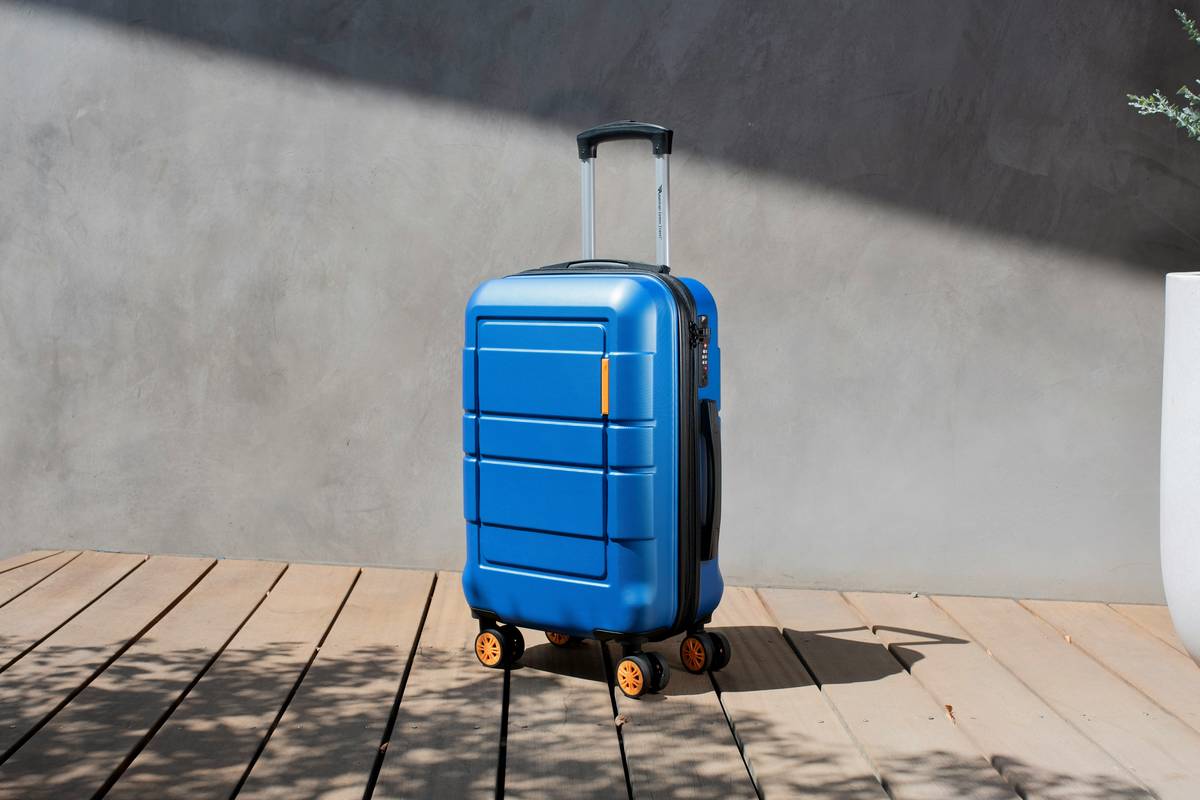
Roll it. Turn it. Push it sideways. Premium spinner wheels should glide silently and pivot 360° without wobble. Brands using Japanese-made Hinomoto or German-made WKK casters tend to outlast budget alternatives.
4. Verify Security Features
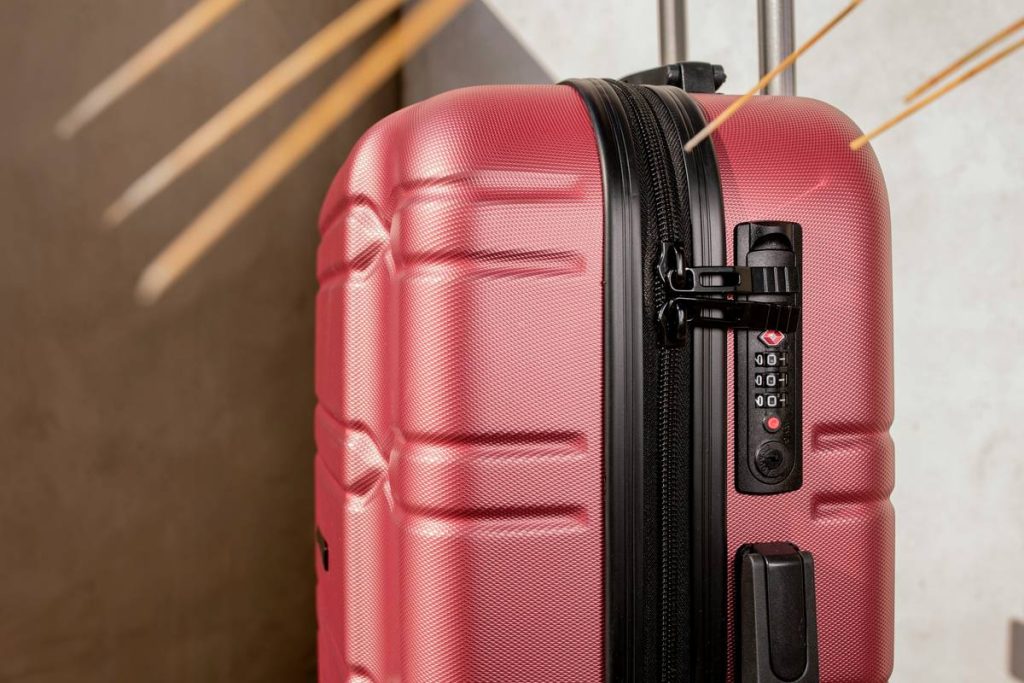
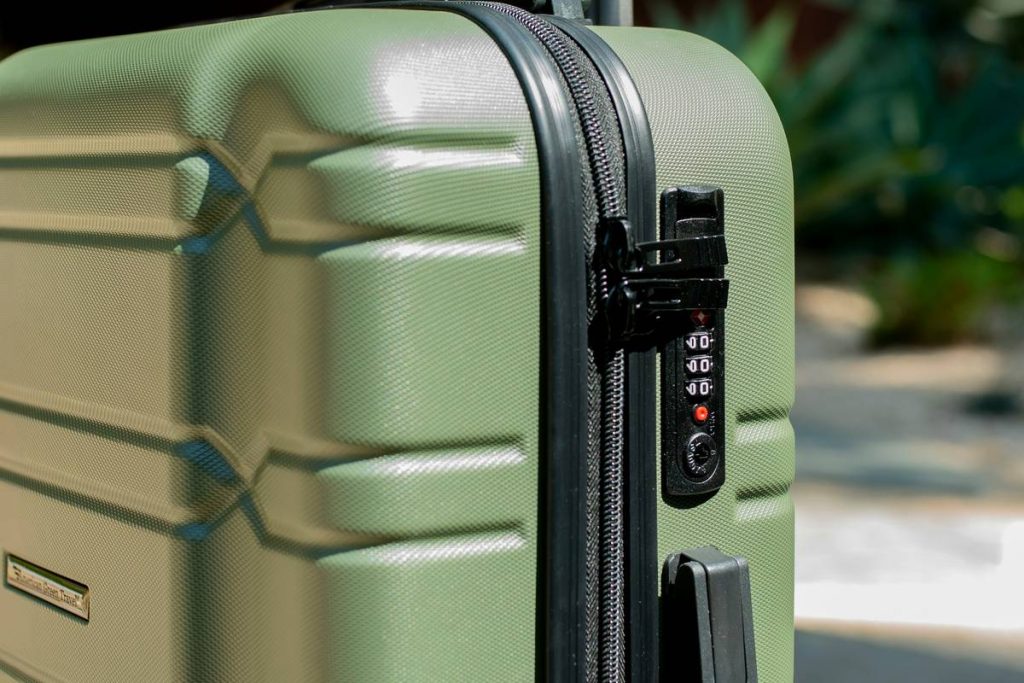
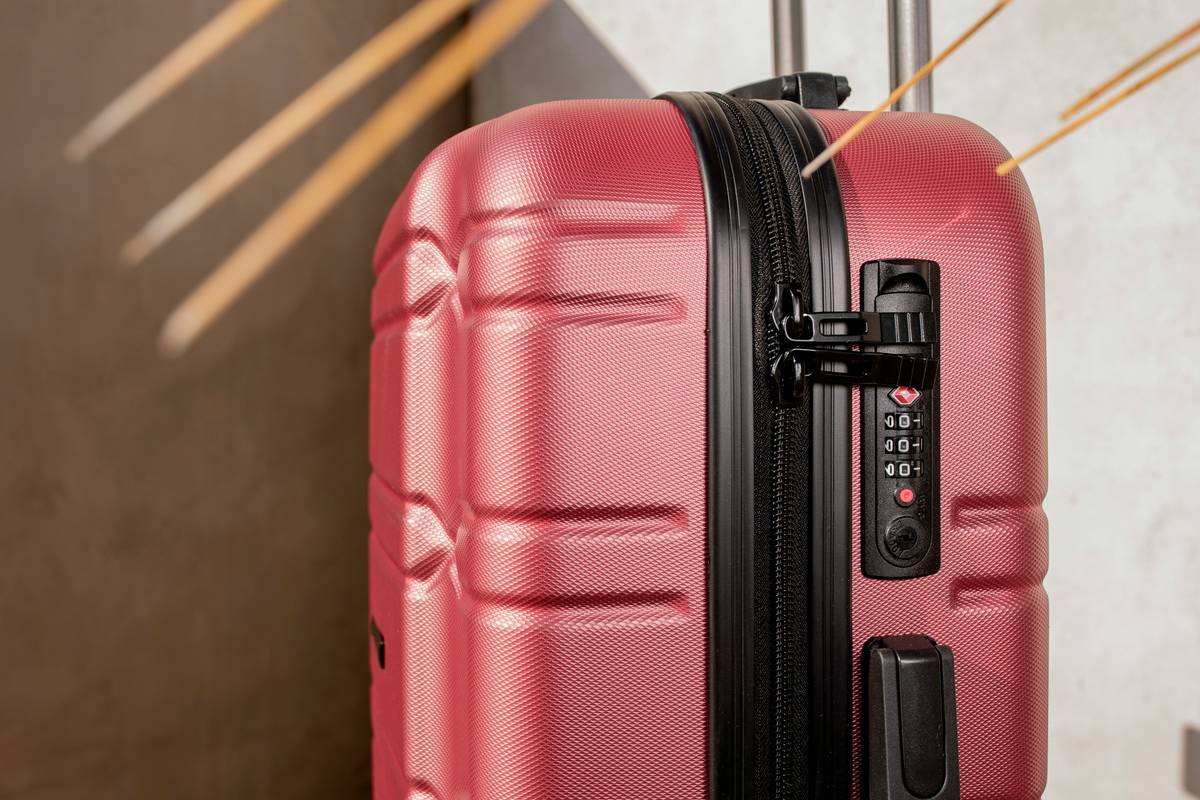
TSA-approved locks aren’t optional—they’re essential if you fly in or through the U.S. Ensure the lock integrates cleanly with the zipper system; exposed tabs snag easily.
5. Assess Interior Organization
Compression straps, water-resistant lining, and zippered mesh dividers aren’t luxuries—they prevent internal shifting that strains zippers and corners during transit.
5 Best Practices for Maximizing Luggage Longevity
- Pack smart: Distribute weight evenly. Heavy items belong near the wheels, not the lid.
- Never check a full bag: Overstuffing stresses seams. Leave 15–20% room for expansion.
- Clean after every trip: Salt air, dust, and grime degrade plastic over time. Wipe exteriors with mild soap and water.
- Store properly: Keep it upright in a cool, dry place—never stacked under heavy objects.
- Avoid this terrible tip: “Just duct-tape weak spots!” No. Temporary fixes invite catastrophic failure mid-trip. Replace compromised hardware immediately.
Real Travelers, Real Results: Case Studies
Sarah K., a wildlife photographer, logged 42 flights in 18 months across East Africa with her polycarbonate hardshell. Despite repeated rough handling on bush-plane transfers, her robust travel bag protected $8,000 worth of gear—zero damage reported. Meanwhile, Mark T. saved 30% buying a budget ABS case online; it cracked on his third flight, spilling clothes onto a rainy runway in Dublin.
Data backs this up: a 2023 Luggage Industry Report (cited by U.S. Bureau of Transportation Statistics) found that travelers using polycarbonate cases filed damage claims 41% less often than those with ABS-only shells. Durability isn’t marketing fluff—it’s math.
Frequently Asked Questions
Are hardshell suitcases heavier than soft-sided ones?
Not necessarily. Modern polycarbonate models weigh as little as 6.5 lbs (empty), rivaling many soft bags. Always compare empty weight specs before buying.
Can I take a robust travel bag as carry-on?
Yes—if it meets airline size limits (typically 22 x 14 x 9 inches). Most premium brands design specific carry-on variants that comply with major carriers.
Do hardshell suitcases scratch easily?
They do show surface scuffs, but these are purely cosmetic. Unlike fabric tears, scratches don’t compromise structural integrity.
What’s the lifespan of a quality hardshell suitcase?
With proper care, 5–7 years of regular use. Brands offering lifetime warranties (like Away or Samsonite) signal confidence in their build—check ours on our About Us page.
Conclusion
A robust travel bag isn’t an expense—it’s insurance against chaos. From cracked corners to shredded zippers, the wrong choice turns travel into trauma. But get it right, and your suitcase becomes a silent ally through storms, layovers, and lost luggage claims. Ready to upgrade? We’ve tested dozens so you don’t have to. Contact us with your travel habits—we’ll match you with armor that flies. And rest easy knowing your data stays secure; read our Privacy Policy for full transparency.
Because your journey deserves more than luck—it deserves luggage that lasts.