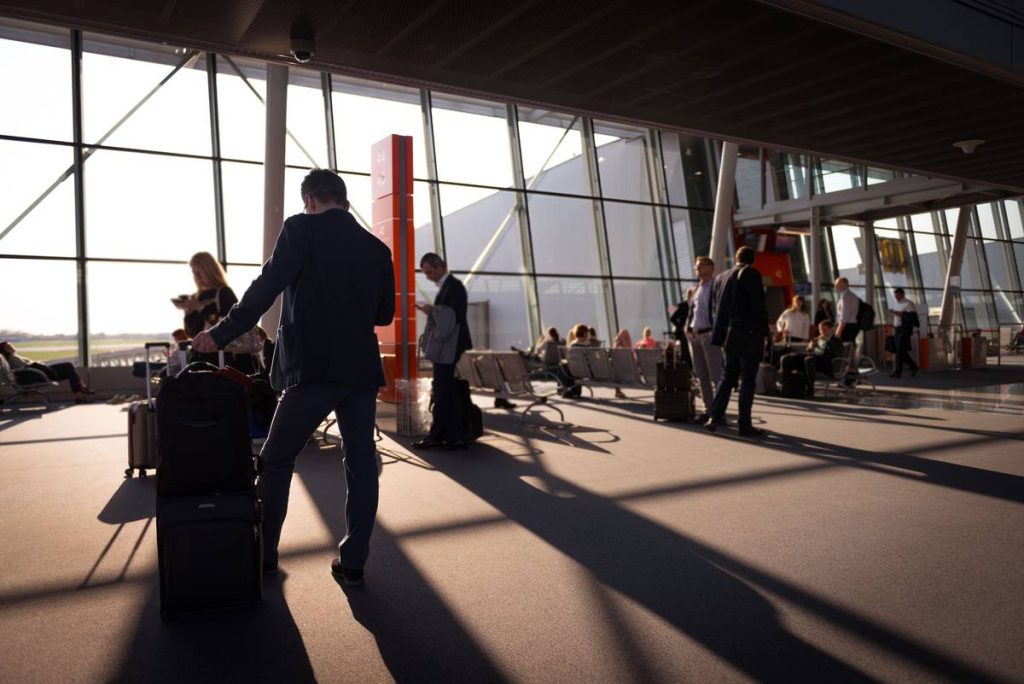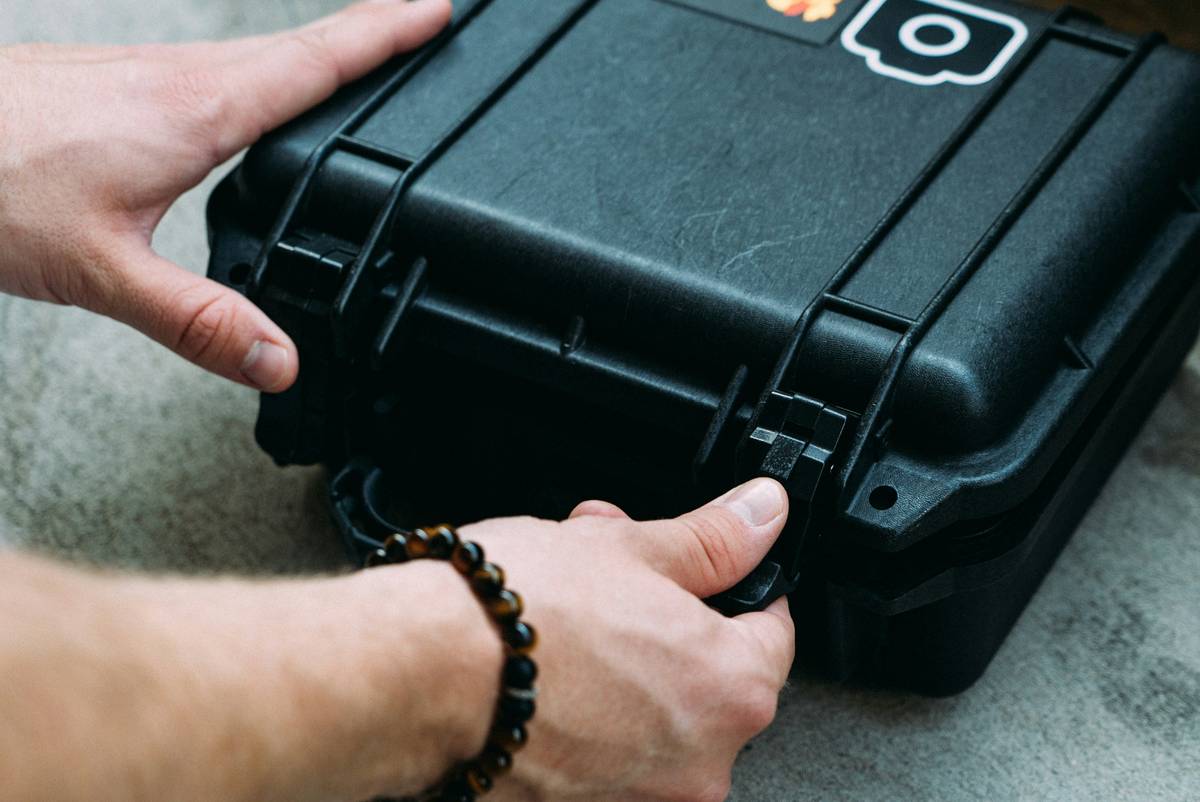
You spent months planning your trip. You booked the flights, curated the itinerary, even packed your favorite snacks. But one cracked wheel or dented corner later—and your expensive camera gear or designer clothes are ruined. Airlines don’t care. Baggage handlers definitely don’t. And soft-shell luggage? It’s basically tissue paper with zippers. Here’s the fix: invest in a true hardshell protection case built for impact, not just aesthetics.
The Core Problem: Most “Durable” Luggage Isn’t Engineered for Real Impact
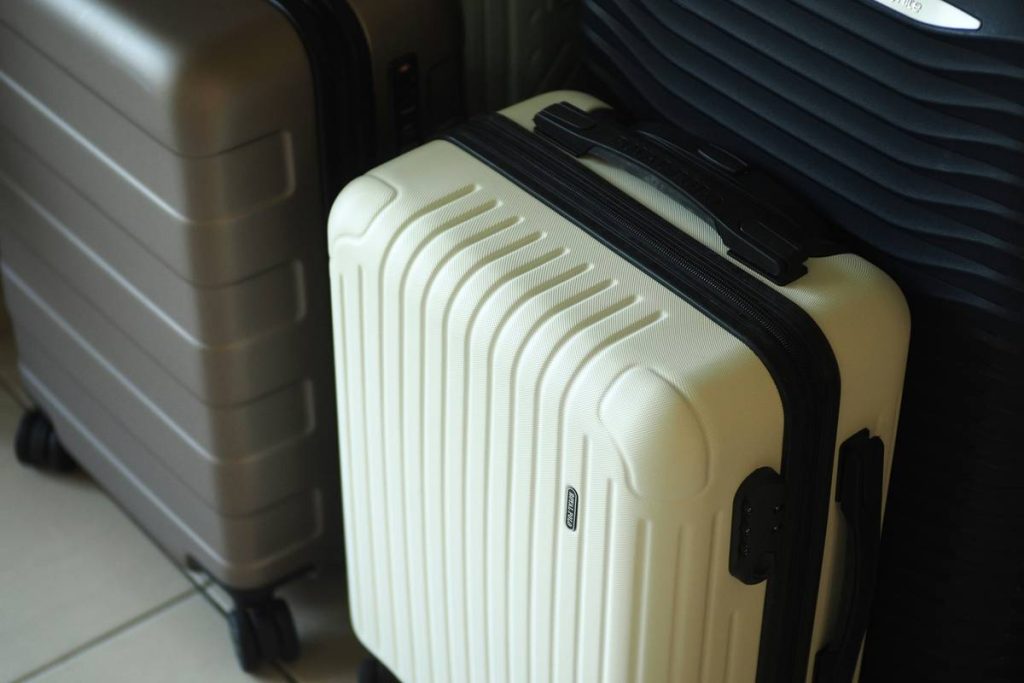
Absurd as it sounds, many polycarbonate suitcases marketed as “hardshell” fail under basic stress tests. They look sleek on Instagram—but crumble when stacked under 50 pounds in cargo. Manufacturers cut corners on wall thickness, latch quality, and internal reinforcement to hit price points. The result? A shell that cracks on first impact—or worse, bursts open mid-transit.
And no, “airline-approved” doesn’t mean impact-resistant. It just means it fits the sizer bin.
Choosing the Right Hardshell Protection Case: A Step-by-Step Guide
Not all rigid cases are created equal. Follow this process—or risk another travel disaster.
Assess Your Threat Profile
Are you checking bags on budget carriers with rough handling? Hiking through monsoons? Shipping fragile equipment internationally? Match your case to your actual risk—not generic marketing claims.
Prioritize Material Density Over Gloss
High-gloss finishes hide scratches but often indicate thinner shells. Look for matte or textured polycarbonate—it usually signals thicker walls and better shock absorption.
Test the Locks and Seals
If water or dust can get in, so can impact force. IPX4+ sealing isn’t just for electronics—it’s insurance against humidity damage during long hauls.
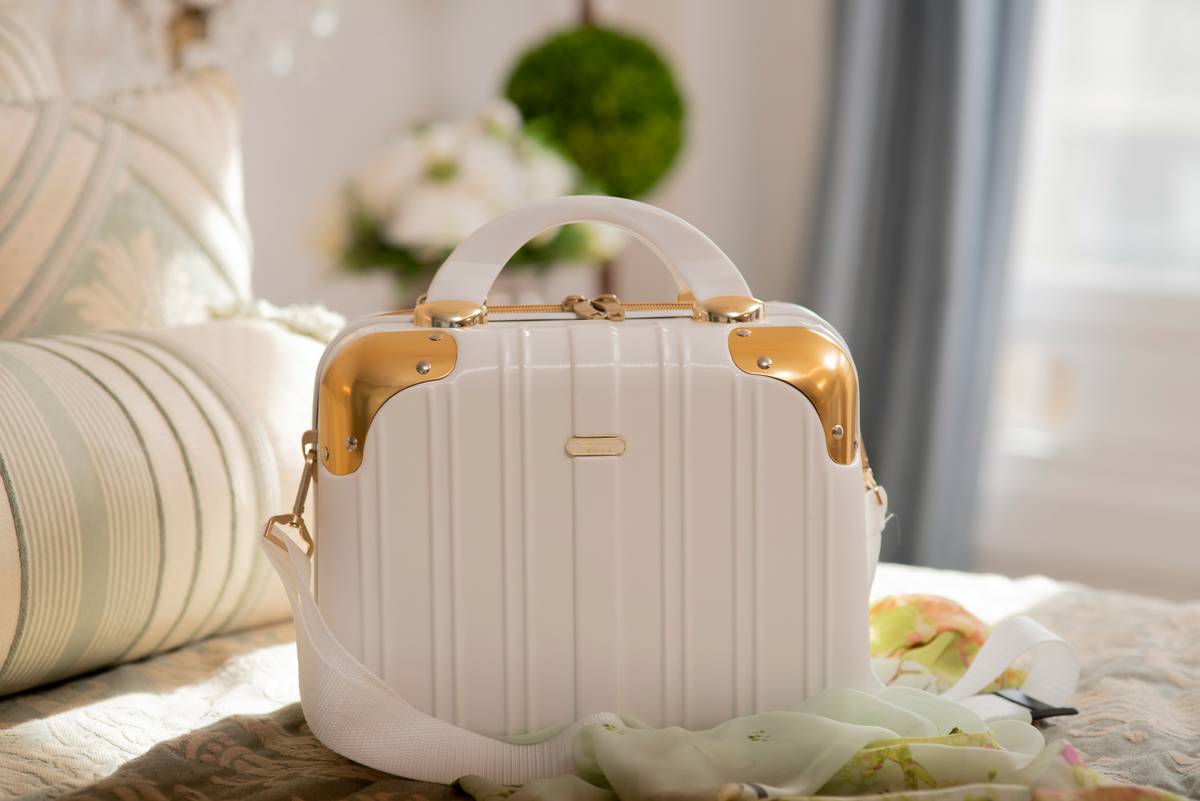
| Feature | Budget Hardshell (Under $120) | Mid-Tier Impact Shield ($120–$250) | Premium Hardshell Protection Case ($250+) |
|---|---|---|---|
| Shell Thickness | 1.8–2.2 mm | 2.5–3.0 mm | 3.2+ mm with ribbed reinforcement |
| Drop Test Survival (3 ft concrete) | Often fails | Passes 2–3 drops | Passes 8+ drops with zero deformation |
| Water Resistance | None | Splash-resistant gasket | Full perimeter rubber seal (IPX6 rated) |
| Warranty Coverage | 1 year, cosmetic only | 5 years, structural | Lifetime global repair/replacement |
Don’t Skip the Handle Stress Test
Grab the telescopic handle at full extension and shake it violently. If it wobbles or clicks—walk away. That’s your weak point in transit.
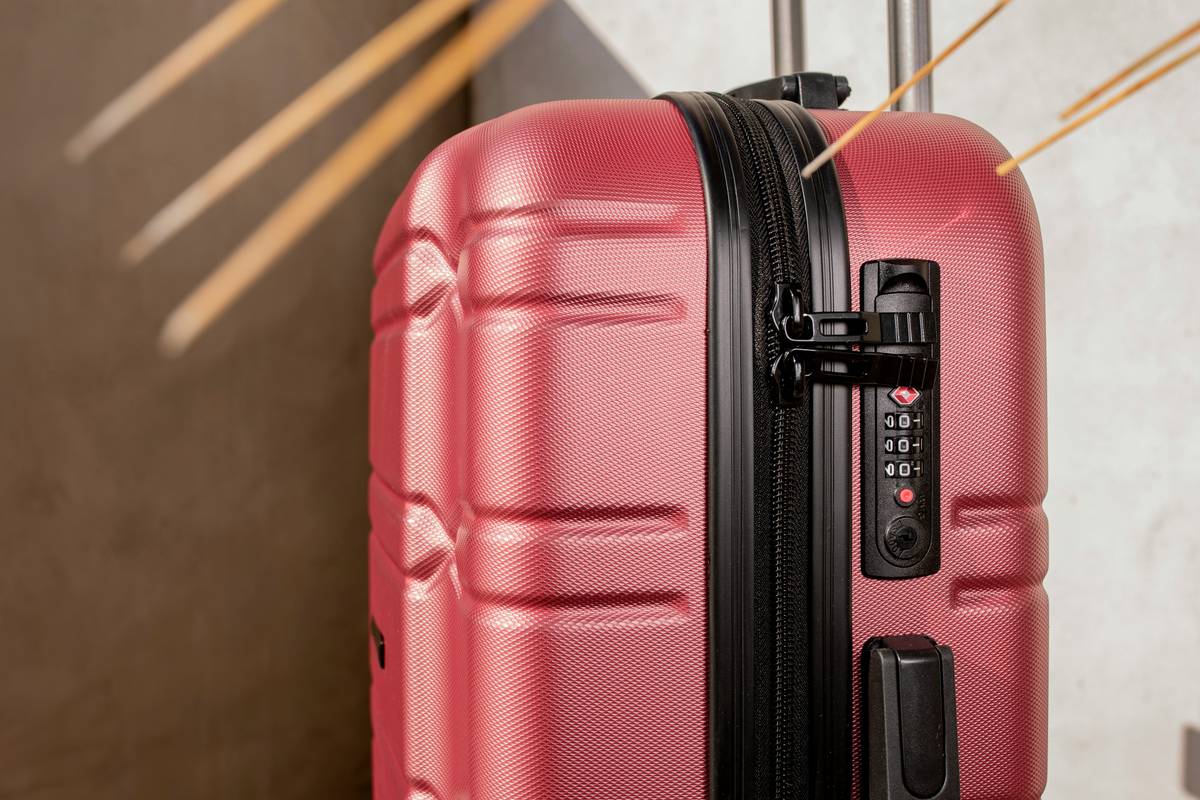
The Industry Secret: Airlines Actually Prefer Cases That Don’t Break Open
Here’s what baggage handlers won’t tell you: they stack luggage like Tetris blocks. Soft bags bulge. Zippers pop. Contents spill. When that happens, your bag gets kicked to the side—delayed, damaged, or lost.
But a rigid hardshell protection case holds its shape. It stacks cleanly. It doesn’t leak socks onto the tarmac. Behind the scenes, handlers actually treat intact, structured cases with more care—not out of kindness, but efficiency. Your disciplined packing becomes their logistical advantage.
Think about it: if your case survives the chaos unscathed, it’s more likely to arrive with you—not in some lost-and-found purgatory.
Frequently Asked Questions
Is a hardshell protection case worth the extra weight?
Yes—if you’re checking bags. The 1–2 lb penalty is negligible compared to the risk of total loss. For carry-ons, choose lightweight reinforced polycarbonate models under 7 lbs empty.
Can I use these cases for shipping fragile items?
Absolutely. Many photographers and musicians ship gear in certified hardshell cases. Just add internal padding and declare contents accurately.
How do I know if my case meets airline size limits?
Measure total linear inches (length + width + height). Most international carriers cap checked bags at 62”. Premium hardshell protection cases often max out at 60”—deliberately engineered to comply.