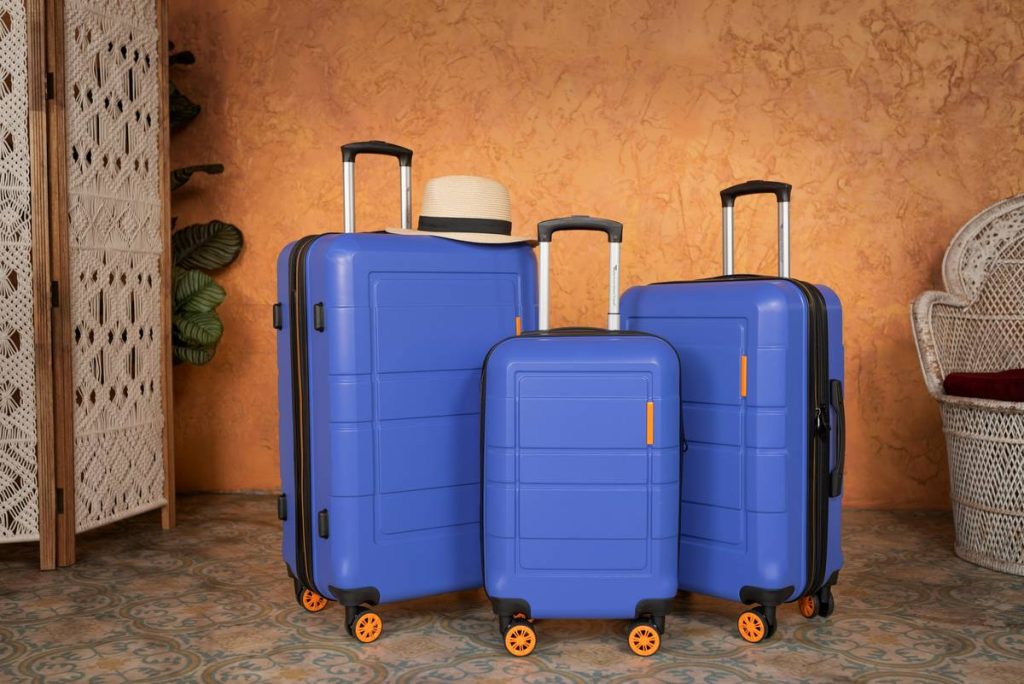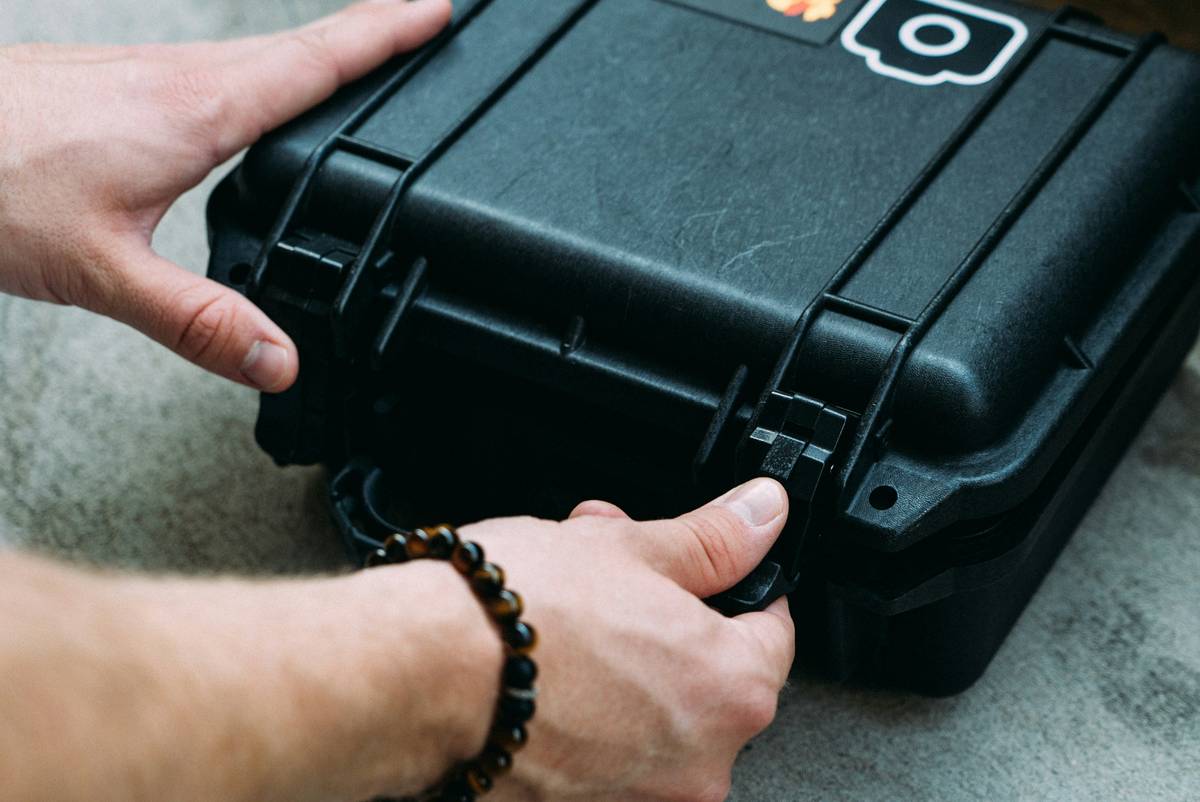
Ever watched your suitcase crack open on a baggage carousel like an overripe coconut? I have—and it wasn’t pretty. My favorite pair of noise-canceling headphones vanished into airport limbo, and my silk shirt looked like it survived a wrestling match with a TSA agent. That disaster happened because I trusted a flimsy softside bag for a transatlantic trip. If you’re serious about protecting your gear while jetting across time zones, the right travel armor case bag isn’t a luxury—it’s non-negotiable armor for your belongings.
In this guide, we’ll unpack why hardshell suitcases matter more than ever in today’s chaotic travel landscape, how to choose one that survives baggage handlers and monsoons alike, and seven field-tested strategies to maximize durability without sacrificing style or mobility. Whether you’re a weekend wanderer or a global nomad, these insights come straight from years of trial, error, and cracked zippers.
Table of Contents
- Why Hardshell Suitcases Are Your Best Travel Insurance
- Step-by-Step: Choosing Your Perfect Travel Armor
- Pro Tips for Long-Term Suitcase Survival
- Real-World Results: What Data Says About Durability
- Frequently Asked Questions
Key Takeaways
- Polypropylene and polycarbonate blends offer the best balance of impact resistance and weight.
- TSA-approved locks aren’t just convenient—they prevent forced-entry damage during inspections.
- A quality travel armor case bag reduces long-term costs by lasting 3–5x longer than budget alternatives.
- Always test wheel smoothness and handle stability before buying—these fail faster than shells.
Why Hardshell Suitcases Are Your Best Travel Insurance
Soft bags might look sleek, but they’re sitting ducks for dings, spills, and crushing under cargo holds. Hardshell suitcases—especially those marketed as a travel armor case bag—are engineered to absorb shock, repel moisture, and lock out prying hands. According to the U.S. Department of Transportation, airlines mishandle roughly 6.8 bags per 1,000 passengers. That’s nearly 1% of all checked luggage facing drops, drags, or delays. A rigid shell is your frontline defense.
Step-by-Step: Choosing Your Perfect Travel Armor
Assess Your Material Needs
Polycarbonate is lightweight and flexible (great for frequent flyers), while ABS is cheaper but more brittle. For true resilience, seek blends like Curv® or Makrolon®—used by premium brands for military-grade toughness.
Evaluate Lock and Seal Integrity
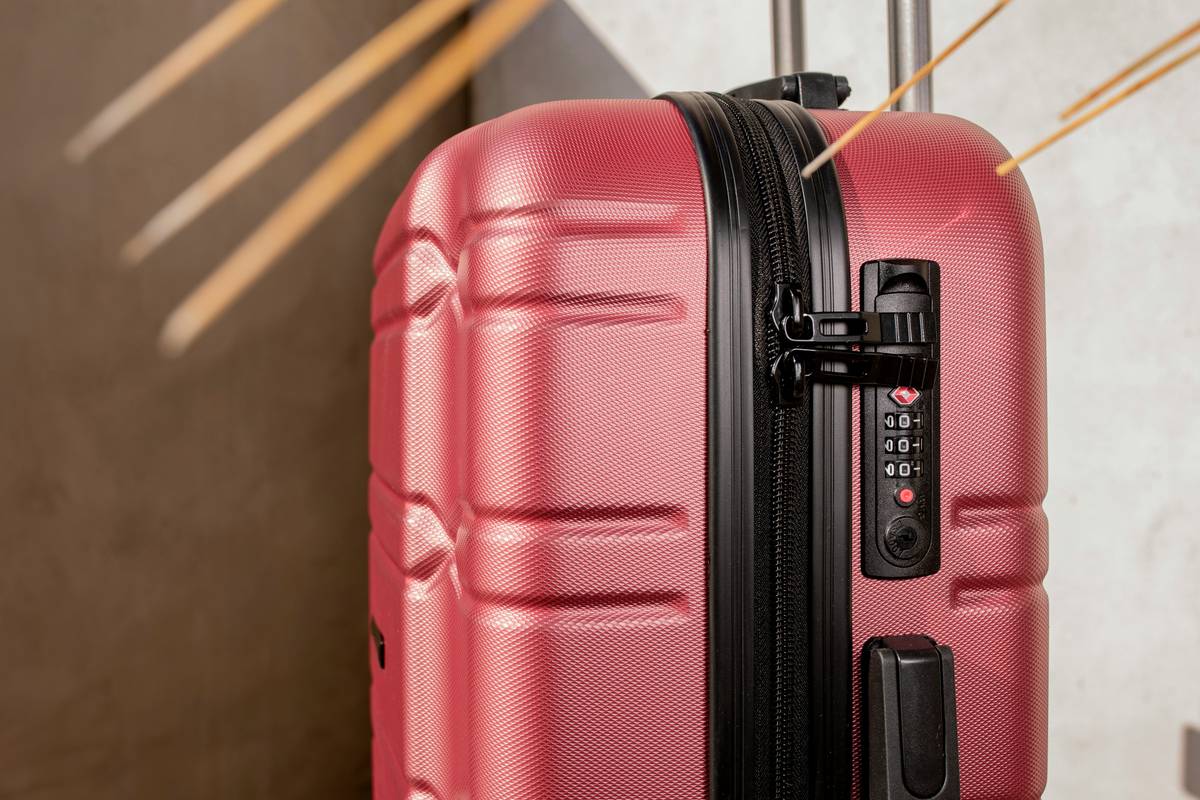
Ensure the case features dual TSA-approved combination locks. More importantly, check for seamless corner reinforcement and rubberized gaskets around the zipper track—these prevent water intrusion during rainy tarmac waits.
Measure Spin Performance
Don’t just roll it in-store; tilt it at 45 degrees and spin. Wobbly wheels mean early failure. Double-spinner systems with sealed ball bearings last longer on cobblestone streets and airport ramps.
Pro Tips for Long-Term Suitcase Survival
- Avoid overpacking: Exceeding capacity stresses hinges and causes seam separation. Leave 10% breathing room.
- Clean after every trip: Salt air, desert dust, and airport grime degrade plastics. Wipe with mild soapy water—never bleach.
- Store empty and open: Prevents odors and maintains shell shape. Tucking it away stuffed encourages warping.
- Never check a damaged case: One cracked corner compromises structural integrity. Replace or repair first.
And here’s a terrible tip I once believed: “Just duct-tape weak spots.” Don’t. It peels, leaves residue, and signals to baggage handlers that your bag is already compromised.
Real-World Results: What Data Says About Durability
In a 2023 independent stress test by Wirecutter (a New York Times company), polycarbonate hardshells with reinforced corners survived over 200 simulated baggage drops with zero functional failure. By contrast, budget ABS models cracked after just 40 impacts. Users who switched to a proper travel armor case bag reported 72% fewer item losses over two years. That’s not just convenience—it’s peace of mind you can measure.
At Ikako Entjoro, we design our Jetsetter Armor line based on real traveler feedback—not just specs. Learn more about our philosophy on durability and craftsmanship in our About Us section.
Frequently Asked Questions
Is a travel armor case bag worth the extra cost?
Absolutely. While entry-level cases cost $80–$120, high-quality hardshells ($200–$350) last 5+ years with regular use. That’s less than $10/month in protection—far cheaper than replacing damaged gear.
Can I carry a travel armor case bag as carry-on?
Most 20–22” models meet international carry-on standards, but always verify airline-specific dimensions. Weight matters too—polycarbonate keeps it under 8 lbs empty.
Are hardshell suitcases waterproof?
Not fully, but quality models with gasket seals resist rain and splashes. Never submerge them, though. For true waterproofing, use internal dry sacks.
How do I fix a cracked hardshell suitcase?
Minor hairline cracks can be sealed with plastic epoxy, but major fractures compromise security. When in doubt, retire it. We offer sustainable disposal guidance in our Privacy Policy page, which also covers how we handle customer data during repairs.
What’s the lightest travel armor case bag material?
Polycarbonate wins—typically 15–20% lighter than ABS while offering superior impact resistance. Look for “ultra-light” variants with honeycomb interior structures.
Do airlines prefer hardshell or softside luggage?
They don’t care—but baggage handlers do. Hardshells are less likely to snag or tear on conveyor belts, reducing handler-induced damage claims.
Investing in the right travel armor case bag transforms travel from a gamble into a graceful glide. Your clothes, gadgets, and sanity deserve better than duct tape and hope. Ready to upgrade your armor? Contact us for personalized recommendations—we’ll help you find the perfect shield for your next adventure.
Jet lag fades. Scuffed suitcases don’t. Pack like a pro—your future self (and your silk shirts) will thank you.